Pregnant women living in areas that are deemed to have poor
air quality are 30 per cent more likely to give birth prematurely than expectant mothers in less polluted regions.
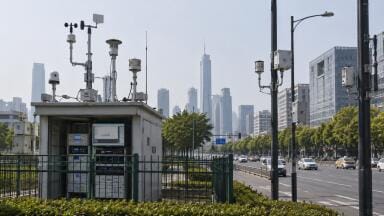
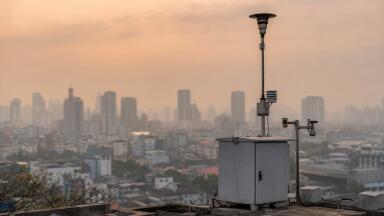
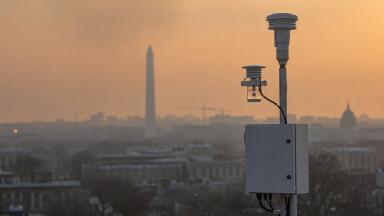
This is the discovery made by researchers at the University of California, who assessed 100,000 births that took place within a five-mile radius of
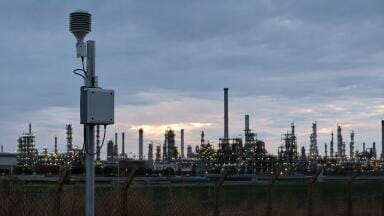
air monitoring zones.
The results - which are published in the journal
Environmental Health - showed that polycyclic aromatic hydrocarbons, produced mainly from road traffic, can raise the risk of premature birth.
Pollutants from diesel fumes such as benzene and fine particulate matter were also found to increase the possibility of an early birth by ten per cent, while ammonium nitrate pushed it up by 21 per cent. The impact was also said to be worse in winter months.
"To reduce the effects of these pollutants on public health, it is important that accurate modelling of local and regional spatial and temporal air pollution be incorporated into pollution policies," commented researcher Dr Beate Ritz.
The US Environmental Protection Agency recently approved plans to improve upon air quality in certain parts of California.
Posted by Claire Manning


 Product directory