Devon has designated three areas of Teignbridge as
Air Quality Management Areas (AQMA) following deterioration in the
air quality.
According to a report in the South Devon Herald, three streets in two different towns - Newton Road and Oxford Cross, both in Kingsteignton, and Wolborough Street in Newton Abbot - have recorded an increase in levels of nitrogen dioxide.
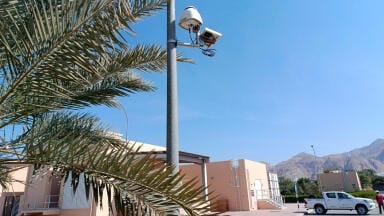
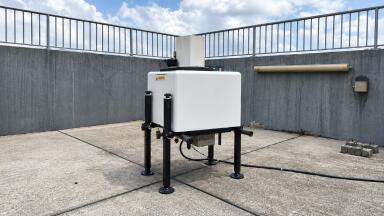
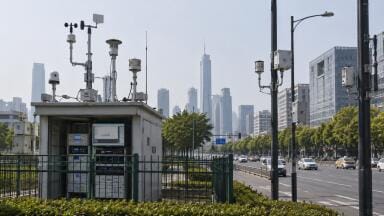
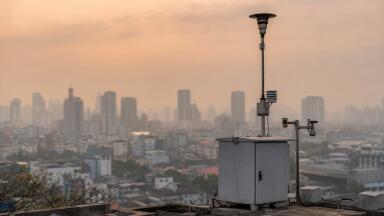
Teignbridge District Council monitors
air quality levels across the region and predicts how pollution from traffic will disperse through the use of computer modelling technology.
It is currently developing action plans for all three AQMAs and intends to consult local residents over its proposals in the coming months.
Councillor Gordon Hook, executive member for the environment, told the newspaper that the council works hard to minimise the negative impact that traffic pollution has on its residents.
He said: "I am concerned that the air we breathe can cause people, the very young and the elderly in particular, to suffer ill health.
"The council is very keen to explore with local communities ways of improving the situation."
Health effects from long-term exposure to nitrogen dioxide can include a reduction in lung capacity as well as increased risk of developing respiratory diseases such as acute bronchitis.
Posted by Joseph Hutton


 Product directory