Air quality monitoring
Published over 13 years ago. See the latest and most current information on Air quality monitoring.
The Chinese government's latest plan to reduce air pollution cannot be implemented soon enough, it would seem. New information, released on Wednesday (July 31st) revealed that the air quality in 74 major Chinese cities was deemed 'unsafe' for two out of every three days during the first half of the year.
The Ministry of Environmental Protection's (MEP's) official air quality report showed that the Beijing, Tianjin and Hebei region were 'severely polluted' for around 26 per cent of the first six months of 2013. The worst cause of this extreme air pollution was particulate matter measuring less than 2.5 micrometres in diameter (PM2.5), which have been linked to a number of human illnesses due to the fact they can penetrate deep into the respiratory system.
Within the first six months of 2013, this area only experienced air quality that was in line with the national standards on 31 per cent of days. This suggests that the government needs to implement its plan concerning improving air quality for residents at the earliest possible time. Although it was announced that a plan would soon be put in place that aims to cut down air pollution, focussing on the northern regions of the country, it was not indicated as to exactly what is going to be done.
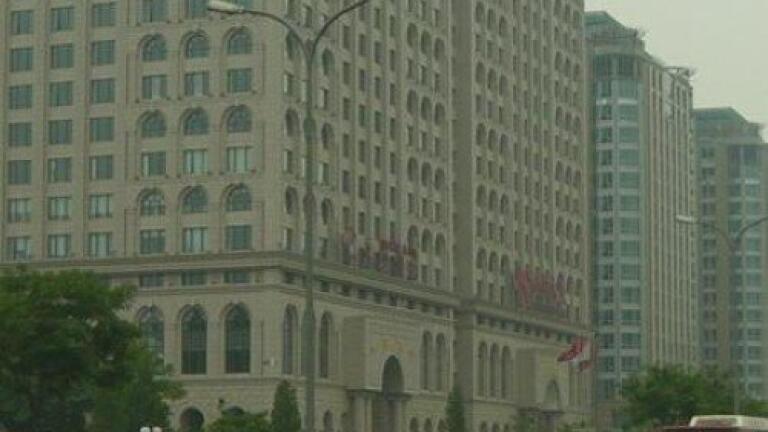
Of the ten most polluted cities in China, seven of them were found to be in the Beijing, Tianjin and Hebei region. Beijing is one of the worst, it is known for heavy smog at many times of the year and was found to have 'good' air quality for less than half of the first six months of the year. However, Shijiazhuang in the Hebei area was found to have worse air quality than this. Only ten per cent of days in this city were measured as having safe levels of air pollution, with the average PM2.5 concentration reaching just under five times as high as 'safe' levels at 172 microns per cubic metre.
IET Guide 2026

 Product directory