Air monitoring
Published over 6 years ago. See the latest and most current information on Air monitoring.
Nitrogen oxides (NOx) are a by-product of nearly every combustion process. The term "nitrogen oxides" usually describes two gases: nitrogen monoxide (NO), a colourless and odourless gas, and nitrogen dioxide (NOâ‚‚), a reddish-brown gas with an irritating odour. Both gaseous pollutants have diverse negative effects on the environment and human health. They react with ozone molecules in the stratosphere, accounting for the destruction of the ozone layer. They also play a significant role in the formation of “unwanted ozone” (or ground level ozone) that contributes to the creation of photochemically induced smog.
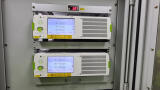
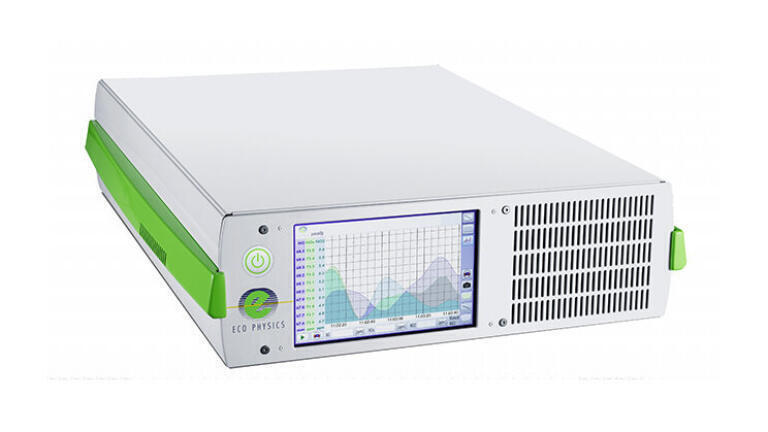
To ensure compliance with TUV QAL1 (EN 15267) and future regulations, along with savings in NOx taxes, the use of precise and reliable chemiluminescence detectors, which are the standard reference method for determination of nitrogen oxides in stationary source emissions according to the European Norm EN 14792 (2017), is the key factor. Based upon the experience with the widely applied CLD 700 ELht, CLD 822 Mh and CLD 822 CMhr, not only in the field of continuous emissions monitoring but also in research on low NOx burner design and testing of catalysts for SCR, ECO PHYSICS has developed the standardised nCLD EL2. The two-channel, chemiluminescence-based NOx analyser detects NO, NO2 and NOx at concentrations ranging from 5ppm to 5000ppm with minimal detection limits averaging from 0.05ppb to 0.5ppm. To ensure accordance with the sample conditions, the nCLD EL2 is tailor-made, equipped with a metal converter for highest conversion efficiency in the related measurement range and a heated sample inlet for increased humidity tolerance.
IET Guide 2026

 Product directory





















.jpg)