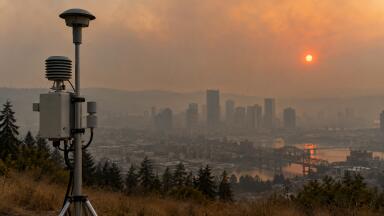
New sensor technology could allow policy makers to map real-time pollution and adjust their reaction plans accordingly.
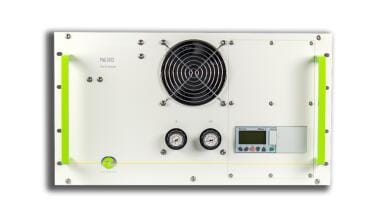
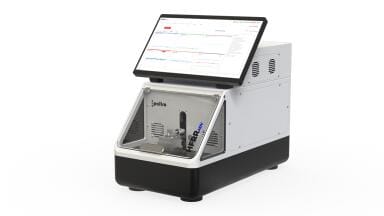
A new Duvas Technologies system uses ultraviolet absorption spectroscopy to measure the level of pollution in certain areas and is quicker than other alternatives at measuring
air quality as it can sense a range of different pollutants at the same time, reports The Engineer.
The news provider noted that the technology could be useful for investigating the health implications for people living in the UK's most polluted cities - a pressing matter considering the binding European emissions targets that have been set.
Scientist at Duvas Steven Wilkins said that sound measurement tools are vital for mapping pollution and its impact.
"If you put our devices behind a set of traffic lights, you can see the individual pulses of pollution coming from the traffic as it pulls away. With existing methods, very often it's averaged away and you lose sight of what's causing the problem," he said.
London has already introduced a congestion charge aimed at lowering emissions from cars in the city and reducing traffic, but the city still looks set to miss EU targets.
Posted by Lauren Steadman




 Product directory