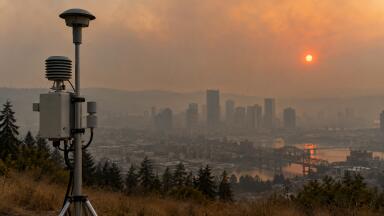
Air monitoring
Published over 11 years ago. See the latest and most current information on Air monitoring.
The chance to explore new holiday destinations can be exciting. Newspapers are full of articles and programs extolling the benefits of travel, while our TV sets tell us we should all travel the world to broaden our horizons. But what are the impacts of travel to our environment?
The United Nations Environmental Program (UNEP) recognises the positives and negatives associated with tourism and its impact on the environment and conservation. The UNEP suggest that tourism negatively impacts the environment ‘when the level of visitor use is greater than the environment’s ability to cope’. Tourism in natural environments has to be controlled to protect them. But what are the major concerns of the UNEP?
Some of the major concerns expressed about tourism’s impact include:
The impacts listed will reduce the appeal of many places for visitors. So it is a paradox that the places we want to visit can be ruined by the act of visiting them. Of even more concern is the fact that the negative impacts can ruin the ecosystem for the indigenous population. Tourism has many positive benefits too.
The tourism industry can be a force for good through its contribution to the preservation of certain areas. Financial contributions from entrance fees can be used to pay for conservation and management of resources. Visitors also contribute to the local economy through spending money. This can help the local people directly and indirectly — as more tax is paid, enlightened governments can use the money to fund conservation projects. By preserving an area, tourists will keep coming to visit, thus enabling tourism to be sustainable. The importance of this is discussed in this article: A Network of High-Frequency Sensors Helps Protect the Future of Fresh Water Lakes.
What environmental impact will you have on your next trip?
IET 36.5 Sept/Oct 2026




 Product directory