Water/wastewater
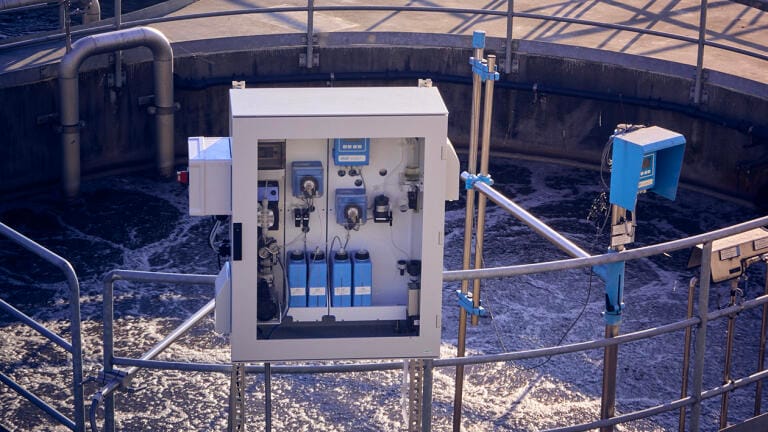
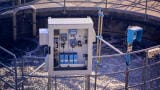
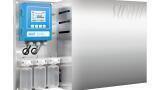
Swan Analytical Instruments has launched a new Sample Filtration Cabinet which ensures the reliable provision of representative samples to its continuous phosphate analysers. The climate-controlled cabinet houses all of the key instrumentation and employs innovative sampling technology to ensure reliable, regulatory compliant measurements.
Designed and manufactured in Switzerland, Swan’s water quality analysers have a global reputation for accuracy and long-term reliability, but as the company’s John Saxton says: “The accuracy of a measurement can only be as good as the quality of the sample, and this can be one of the more challenging aspects of wastewater monitoring. We have therefore worked closely with specialists in this field to develop the new Sample Filtration Cabinet, which combines the quality of a Swan Analytical analyser with a best-in-class sampling system.”
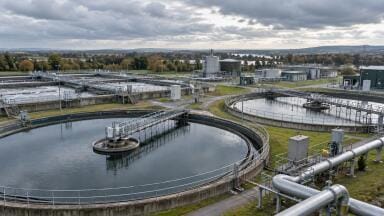
Phosphate is an essential nutrient, and is necessary for example, in low concentrations in biological wastewater treatment, but excessive concentrations can cause significant ecological harm. It is therefore common for phosphate to be included in environmental permits at municipal and industrial wastewater treatment plants.
Phosphate can be removed from wastewater by dosing with precipitants such as Ferric Chloride. However, dosing to excess can be very costly and inefficient, so it is common practice to continuously monitor phosphate levels for dosing control, and for demonstrating discharge compliance. Swan’s online AMI Phosphate instruments combined with the Sample Filtration System, have been designed specifically for both applications.
In England, the Environment Act 2021 and the supplementary Environmental Targets Regulations 2023 have set targets for reducing the levels of phosphorus, and other contaminants, that are released into fresh and coastal waters. As a consequence, phosphate limits in treated wastewater discharged into water courses are being tightened.
The most prevalent compounds of phosphorus are derivatives of the phosphate (PO4) anion, with orthophosphate being soluble and the only bioavailable form. Orthophosphate is therefore a key measurement parameter in wastewater process control.
Inlet variation of orthophosphate concentration is common in sewage and wastewater treatment plants, which increases the necessity for monitoring to inform dosing control. In addition, some of the organically bound phosphorus and polyphosphates are converted into orthophosphate during the wastewater treatment process, which can influence the total orthophosphate concentration over time. This conversion is specifically optimised by some wastewater treatment plants to improve the overall balance of phosphorus recovery. For these reasons, orthophosphate concentration is the appropriate control parameter for optimising precipitation treatment.
Swan’s Sample Filtration Cabinet is an all-in-one solution for orthophosphate analysis in wastewater, facilitating problem-free sampling and analysis in even the most challenging wastewater streams.
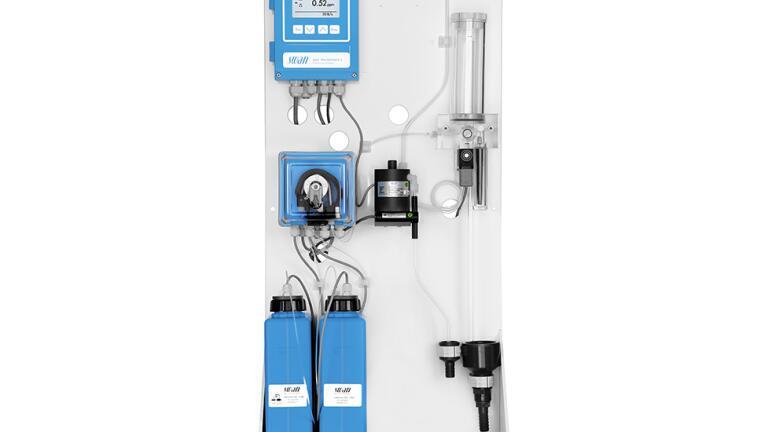
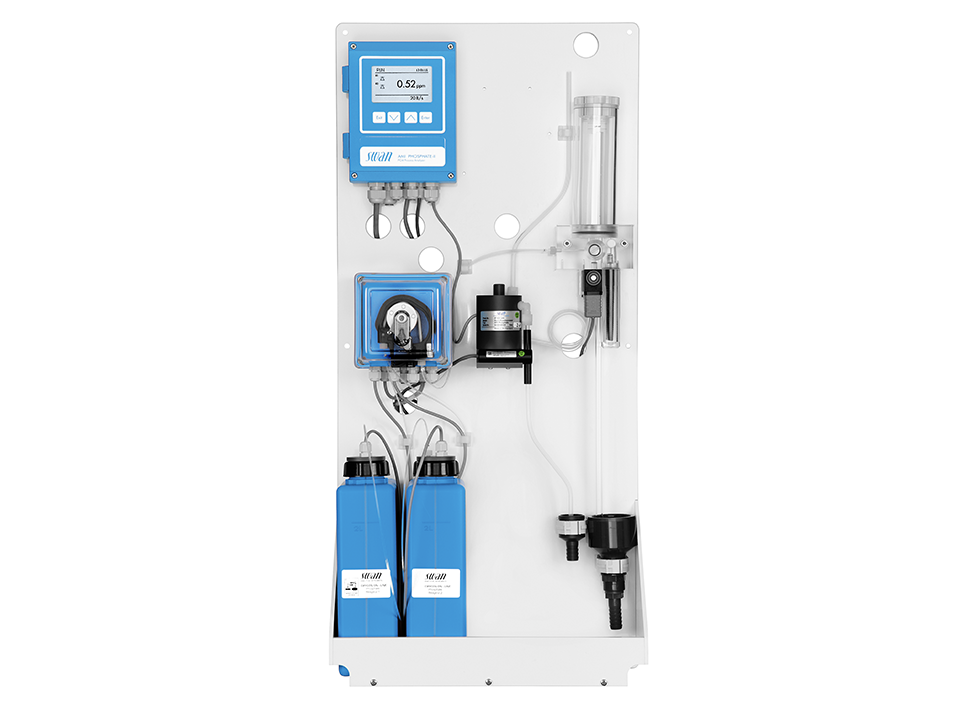
The system supports ISO 6878 or APHA 4500-P/C colorimetric methods, with model options offering ranges of either 0.01 – 10.0 mg/l, or 0.1 – 50 mg/l. The cabinet houses all of the key components of the measurement system, including reagents, pumps, compressor, photometer and transmitter/display unit.
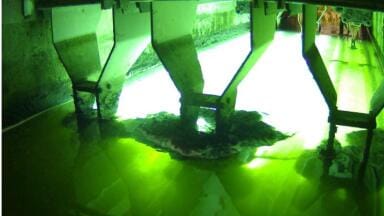
The filtration head removes suspended solids from the sample, but a number of highly innovative features ensure sampling does not affect measurement uncertainty. For example, a built-in compressor automatically implements air-pulse cleaning to extend service intervals.
Typically, the filters are replaced every 3-4 weeks – a process that takes just a few minutes, and requires no special tools. Used filters can then be chemically cleaned, using a special cleaning apparatus that is supplied as standard. This means that filters can be expected to last for over 2 years.
The stability, repeatability and accuracy of measurements are enhanced by an overflow cell that eliminates pressure and flow fluctuations, and an auto-zero check is conducted before every measurement. In addition, the instrument conducts automatic self-diagnosis of sample flow and reagent levels.
Orthophosphate measurement is ideal for process control, but many plants also employ this technology for monitoring final effluent, correlating with laboratory results for Total Phosphorus (TP). This is because online TP takes longer due to the requirement for a digestion stage. Online TP instruments are also more expensive.
Swan Analytical’s wastewater phosphate measurement solutions reflect the company’s key brand values. The AMI Phosphate instruments are designed to offer highly accurate, stable and repeatable measurements with a low maintenance requirement and a low lifetime cost, but as John Saxton emphasises: “This can only be achieved with the reliable sample quality that is provided by the new Sample Filtration Cabinet. With this technology, wastewater process managers can minimise precipitation costs, optimise performance and maintain regulatory compliance.”

IET 36.5 Sept/Oct 2026


 Product directory




.jpg)










.jpg)





.jpg)