.jpg)
Water/wastewater
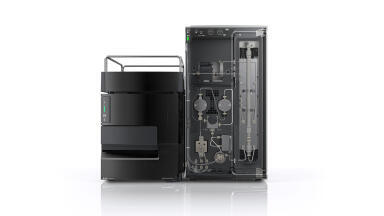
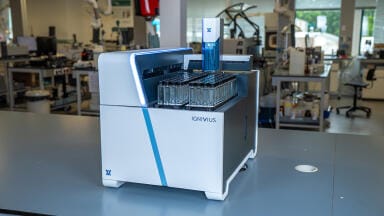
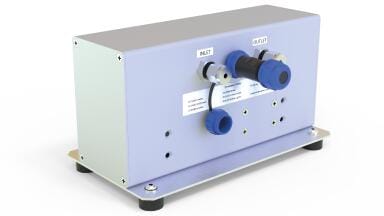
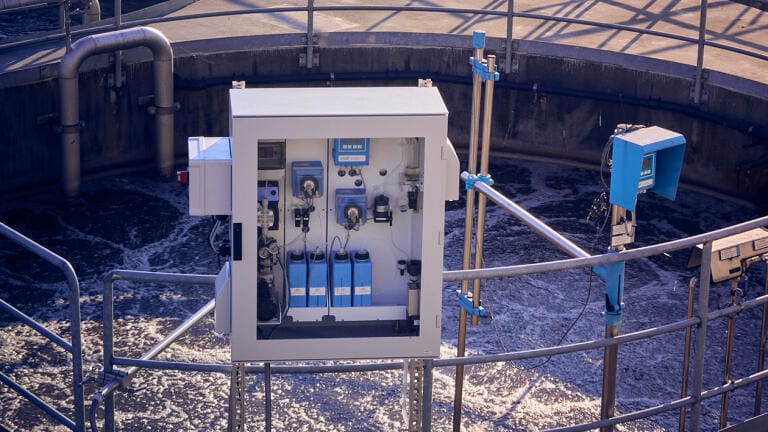
Swan Analytical Instruments has launched a new Sample Filtration Cabinet which ensures the reliable provision of representative samples to its continuous phosphate analysers. The climate-controlled cabinet houses all of the key instrumentation and employs innovative sampling technology to ensure reliable, regulatory compliant measurements.
“The accuracy of a measurement can only be as good as the quality of the sample,” explains Swan’s John Saxton. “This can be one of the more challenging aspects of wastewater monitoring. We have therefore worked closely with sampling specialists to develop the new Sample Filtration Cabinet, which combines the quality of a Swan Analytical analyser with a best-in-class sampling system.”
Phosphate can be removed from wastewater by dosing with precipitants, so it is common practice to continuously monitor phosphate for dosing control, and discharge compliance. Swan’s online AMI Phosphate instruments combined with the Sample Filtration System, have been designed specifically for both applications.
Swan’s Sample Filtration Cabinet is an all-in-one solution for orthophosphate analysis in wastewater, facilitating problem-free sampling and analysis. The system supports ISO 6878 or APHA 4500-P/C colorimetric methods, with model options offering ranges of either 0.01 – 10.0 mg/l, or 0.1 – 50 mg/l.
Suspended solids are removed by a number of highly innovative features. A built-in compressor automatically implements air-pulse cleaning, an overflow cell eliminates pressure and flow fluctuations, and an auto-zero check is conducted before every measurement. Self-diagnosis of sample flow and reagent levels is automatic.
Typically, the filters are replaced every 3-4 weeks – which takes just a few minutes. Used filters can then be chemically cleaned, and filters can be expected to last for over 2 years.
In summary, the new Sample Filtration Cabinet enables wastewater process managers to minimise precipitation costs, optimise performance and maintain regulatory compliance.
IET Guide 2026

 Product directory