Water testing
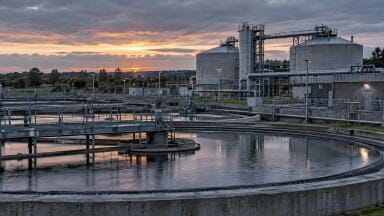
Much of the infrastructure that protects the environment operates out of sight and often goes unnoticed until something goes wrong. Drainage networks, manholes and light liquid separators are a case in point. Yet these systems perform a vital role, preventing oils, fuels and other hazardous substances from entering watercourses, groundwater and the wider environment.
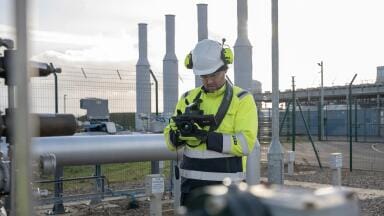
Ensuring that this infrastructure continues to perform as intended requires regular inspection and testing. Standards such as the German regulation DIN 1999-100 specify requirements for separator systems, including comprehensive inspections every 5 years. However, these assessments extend far beyond a simple leak test. Inspectors must evaluate the overall condition of the installation, examining everything from inlet and outlet connections to sludge traps, shut-off devices, warning systems and sampling points. Signs of corrosion, settlement, material degradation or structural damage can all indicate problems that may ultimately compromise environmental protection.
The process begins with the drainage network itself. Connected pipes and manholes are typically tested in accordance with DIN EN 1610, using a combination of air pressure tests, water pressure tests and water level measurements. On larger sites, such as vehicle service centres, petrol stations, industrial facilities and car wash installations, the volume of testing and documentation can be significant. Managing this workload efficiently while maintaining accuracy presents an ongoing challenge for operators and inspection teams alike.
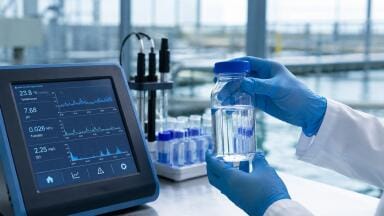
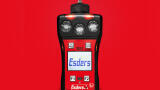
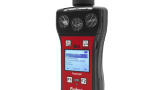
This is where digital technologies are beginning to make a tangible difference. Companies such as Esders are helping to modernise inspection workflows through integrated testing and documentation solutions. Its smart memo pressure-testing technology supports a range of testing methods for water, wastewater and infrastructure applications, while external sensors can be connected to measure parameters such as pressure, temperature and water level.
For separator systems and manholes, water level probes can provide highly accurate measurements, enabling automated evaluations in accordance with DIN EN 1610 and DIN 1999-100. Air pressure testing of pipework can also be carried out using the same platform, reducing the need for multiple instruments and simplifying field operations.
Equally important is the digitalisation of reporting. Through Esders’ Connect, measurement data can be stored, processed and archived on a project basis, with site information, signatures and other supporting documentation integrated directly into the workflow. The result is a clear and traceable process from measurement and analysis through to the final inspection report, helping organisations demonstrate compliance while reducing administrative burden.
As environmental expectations continue to rise, the ability to verify the integrity of drainage and separator systems quickly, accurately and consistently is becoming increasingly important. Modern testing technologies, combined with digital documentation and data management, are helping operators meet these demands while ensuring that critical environmental infrastructure continues to protect water and soil for years to come.
IET Guide 2026

 Product directory