Water/wastewater
Published over 8 years ago. See the latest and most current information on Water/wastewater.
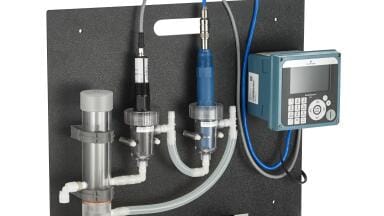
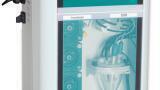
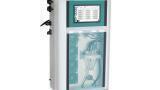
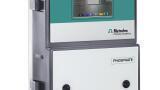
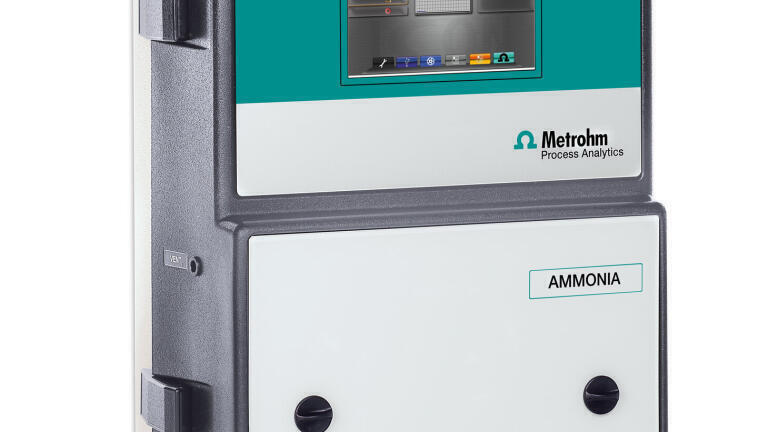
Metrohm Process Analytics offers a dedicated solution for hassle-free online monitoring of ammonia in wastewater streams. This turn-key solution uses photometric determination and is performed on the ICON Analyzer, a dedicated online photometer for water and wastewater analysis.
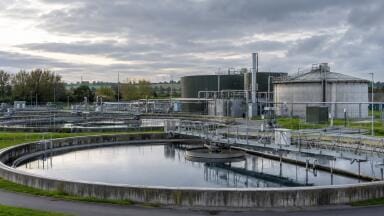
The importance of nutrient removal in the form of nitrogen in industrial and municipal wastewater has increased significantly over the past decade to minimize water pollution and avoid eutrophication of water bodies. Nitrogen present in wastewater as mostly organic nitrogen, ammonium/ammonia and nitrate must be treated to meet stringent effluent requirements imposed by legislation. Biological nutrient removal processes (BNR) in place at modern wastewater treatment plants employ nitrification and denitrification processes to convert ammonium into harmless N2 gas, which is then released into the atmosphere.
Online monitoring of the nitrogen compounds in waste effluent guarantees high nutrient treatment efficiency and low operating and energy costs. For example, an increase in ammonia and nitrite levels in the effluent indicate an insufficient aeration step or that a change in toxicity or pH is disturbing the nitrifier (bacteria) population. Costs incurred from a plant shutdown due to insufficient nutrient removal, including replacement of the bacteria, can be extremely high. Metrohm Process Analytics offers robust single-method process analyzers which come fully configured for analyses such as ammonia and nitrite – just Plug and Analyze.
The fully-automated photometric ammonia analysis is based on the Berthelot method. After addition of a stabilized hypochlorite solution, the ammonia reacts quantitatively to monochloramine. The formed monochloramine creates a quinone monoimine when nitroprusside is added to the cuvette. This quinone monoimine reacts finally with a thymol molecule to the respective indophenol dye, which in an alkaline medium occurs in the blue basic form and is measured at 660 nm in a thermostated cuvette for added stability.
IET Guide 2026

 Product directory