Water/wastewater
Published over 17 years ago. See the latest and most current information on Water/wastewater.
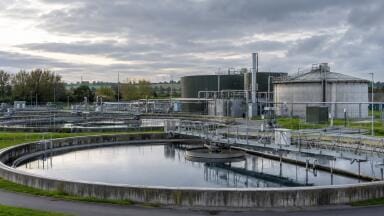
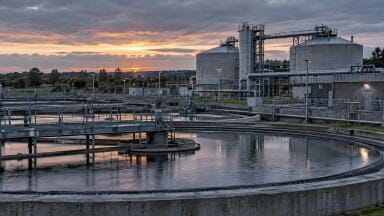
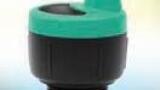
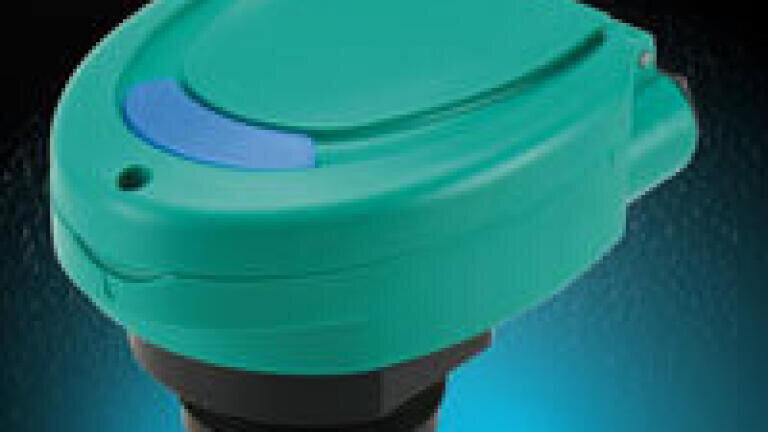
Gems® Sensors & Controls™ (UK) has launched the UCL-520 Series of Ultrasonic Level Sensors. The UCL-520 Series is suitable for non-contact applications such as industrial water treatment, wastewater management, chemical storage as well as many other challenging fluid applications.
The UCL-520 is a two-wire ultrasonic transmitter for measurement up to 26.2’ (8m) and is built with a rugged PVDF transducer for challenging ultra pure, corrosive or waste liquids. The highly accurate sensor is easy to install within limited space applications
and the minimum 8” dead band allows for maximum fill of media. The UCL-520 offers a 3” (7.6cm) minimum beam width for restricted space applications and the selectable display indicates level in air gap or liquid height. The UCL-520 is push button calibrated with 6-segment LCD display and is broadly selected for corrosive media including
atmospheric bulk storage, day tank and waste sump applications.
“Gems’ new line of ultrasonic level sensors offers our customers an innovative non-contact solution for both small and large tank applications. These highly accurate sensors provide flexibility and control for challenging fluid measurement applications”, says Kevin Castonguay, Product Marketing Manager for Gems Sensors & Controls.
IET Guide 2026
 Product directory