Water/wastewater
Published over 10 years ago. See the latest and most current information on Water/wastewater.
The diminutive port town of Corpus Christi in Texas, USA, used to be home to a plentiful oyster reef, which not only acted as a pedestrian walkway connecting isolated parts of the bay but also served to clean up the surrounding water through natural methods. However, over centuries of mining and construction, the reef has been all but entirely displaced.
In an attempt to undo the damage wrought upon the waters in Nueces Bay, Texas A & M University have embarked upon an effort to re-establish the reef… through electrocution.
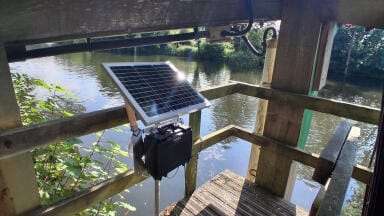
The reef will be created through the installation of a 680kg framework of rebar, crosshatched into the shape of a grid. Attached to this is a network of solar panels, which will trap the energy from the sun’s rays and convert it into electricity, thus electrifying the grid.
Though electricity and water don’t often mix well, on this occasion the marriage will produce beneficial consequences. Because a minimal current is generated, the grid will not damage the surrounding marine life but will provoke mineral growth. First and foremost, this will take the shape of calcium carbonate, a mineral which will accumulate on the electrified structure.
Calcium carbonate attracts oysters, whose shells are composed of the same material, as well as barnacles. After a period of time has elapsed (in this case, five years), scientists are hopeful that the amount of oysters and barnacles will have reached a diameter of several inches, thus forming a natural barrier between the ocean bed and the water above. Such an accumulation would take many times the number of years were it to occur naturally.
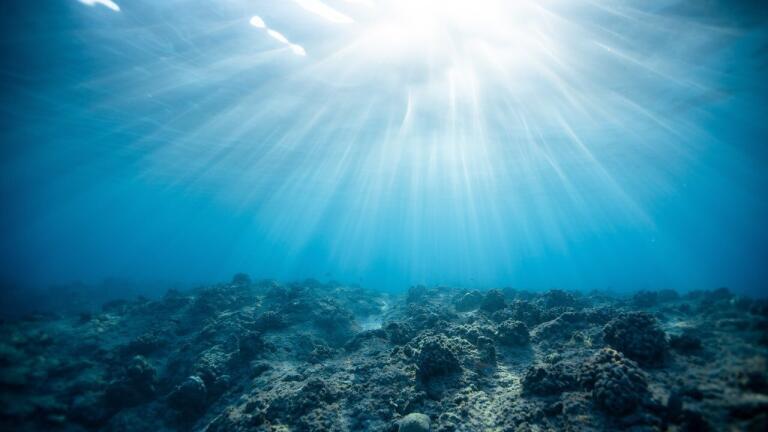
Reefs are great for the surrounding ecology since they provide housing and habitats for a significant proportion of marine life. Indeed, coral reefs are responsible for hosting 25% of all marine fauna, making them an integral part of the environment. Of course, oyster reefs are not quite so propitious – but they will still attract a considerably greater diversity of marine life than without anything present.
More crucially, the artificial oyster reef will also work to separate the muddy residue of the ocean floor from the clean waters above. This prevents the water from becoming contaminated, which over many years has sullied the waters of Nueces Bay and made it an unattractive habitat for sea life. The increased biodiversity will not only be a beneficial thing for Mother Nature, but will also augment fishing opportunities in the area.
In fact, reefs are often beneficial to the environment and our understanding of it. To learn how coral reefs can help us learn more about the history of our planet and how our actions directly affect it, check out the article Corals as Natural Archive of Environmental and Climate Changes.
IET 36.3 May

 Product directory