Water/wastewater
Published over 9 years ago. See the latest and most current information on Water/wastewater.
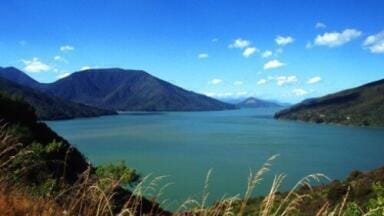
The typical image of climate change involves melting glaciers and rising ocean tides. On the other hand, lakes are rarely taken into consideration when it comes to the effects of global warming – and their own effects on the phenomenon, as well.
There are over 100 million lakes on Earth, covering roughly 4% of the land surface not topped with glaciers. Despite this relatively small percentage, they actually harbour almost half of the carbon that all of the world’s oceans do. As a result, the fate of our lakes is very significant indeed.
Last December was both the warmest and the wettest on record. While it’s debatable that this phenomenon was directly caused by climate change, it does appear that the increased volatility of weather patterns is leading to more and more floods.
Short term, this can cause damage to local housing and infrastructure, as was seen widespread across the UK last year. Simultaneously, it can also lead to contaminated lakes and reservoirs, potentially jeopardising the cleanliness of water supplies.
There are a number of ways to effectively clean up these flooded bodies of water, but the altering levels of lakes has far further reaching implications, as well.
In a study published in September of last year, scientists from the US Geological Survey analysed the fluctuations in temperatures in more than 2,000 lakes in Wisconsin between the years 1989 and 2014. They then cross-referenced this data with known population figures of fish species such as largemouth bass and walleye.
They found that both species reacted to the rising temperatures in the lakes – but in directly contrasting manners. While the bass thrived, walleye dropped off significantly. Extrapolating these temperature rises to the year 2089, the researchers found that more than three-quarters of the lakes would not be able to support the walleye at that time.
Though it’s not known exactly why the walleye can’t survive in the warmer temperatures, their struggling longevity is certainly of concern.
Other species have their habitats threatened due to reduced ice cover. Baikal seals are the world’s only freshwater seals, and their natural habitat of Lake Baikal in Siberia has been warming at such a rate that there is now ice coverage over it for almost a month less than there was 100 years ago.
This is troubling for the seals, certainly; but there are even graver implications. Ice acts as an insulator, so if it is present for less months each year, the temperatures in the lake will rise at an even quicker rate. “What happens in previous seasons sometimes matters more than the current season,” says University of Wisconsin limnologist John Venters, referring to the snowballing effect (excuse the pun) of reducing ice coverage.
Furthermore, the methane and other carbon sources trapped at the bottom of the world’s lakes will be released even more quickly with the elevated temperatures. As these greenhouse gases (GHGs) are direct contributing factors to climate change, we could see the problem spiralling out of control.
In order to fully formulate a plan to limit the effects that climate change has on lakes and that they have on it, we must study them further, according to Lenters. “There are aspects of the Pacific Ocean we know better than Lake Superior,” he says. “Lakes are woefully understudied.”
IET Guide 2026

 Product directory