Showing 1 to 12 of 495 results
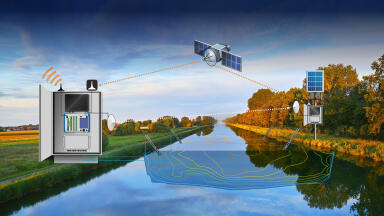
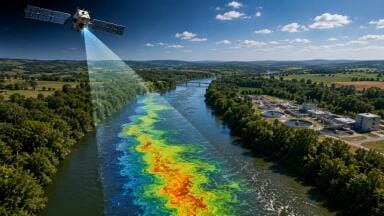
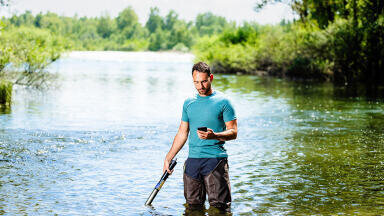
Monitoring water pollution is the systematic process of sampling, analyzing, and assessing water bodies to identify and quantify pollutants. These pollutants may include a wide range of substances harmful to human health and the environment, such as industrial chemicals, pesticides, heavy metals, pharmaceuticals, and microbial contaminants. This monitoring is an essential component of environmental management strategies, aiming to protect ecosystems, public health, and water resources. By identifying and quantifying pollutants, monitoring helps protect ecosystems and wildlife from harmful contamination. Continuous assessments provide data on pollution trends, contributing to the understanding of how pollutants affect biodiversity and ecosystem health. Monitoring ensures that contaminants present in water bodies do not pose a risk to human health, particularly in water used for drinking, recreation, or food production. Water quality regulations require monitoring to ensure that water bodies meet legal standards. Data from pollution monitoring programs is used to enforce environmental laws, guiding regulatory agencies in issuing fines, sanctions, or cleanup orders to polluters. Effective monitoring helps in tracing pollutants back to their sources. Whether the contamination is from industrial effluents, agricultural runoff, or municipal waste, identifying the origin is crucial for implementing targeted mitigation strategies. Data from monitoring programs inform policymakers, facilitating the development of effective environmental policies and regulations. Additionally, public dissemination of this information raises awareness about water pollution issues, driving community and stakeholder engagement in water resource protection. The process of water pollution monitoring includes planning and strategy development, sample collection, laboratory analysis, data analysis and interpretation, reporting and action. Overall, water pollution monitoring is a fundamental practice in environmental conservation, helping to prevent the degradation of precious water resources, protect public health, and ensure sustainable use of water for future generations.
IET 36.5 Sept/Oct 2026



 Product directory















.jpg)


.jpg)