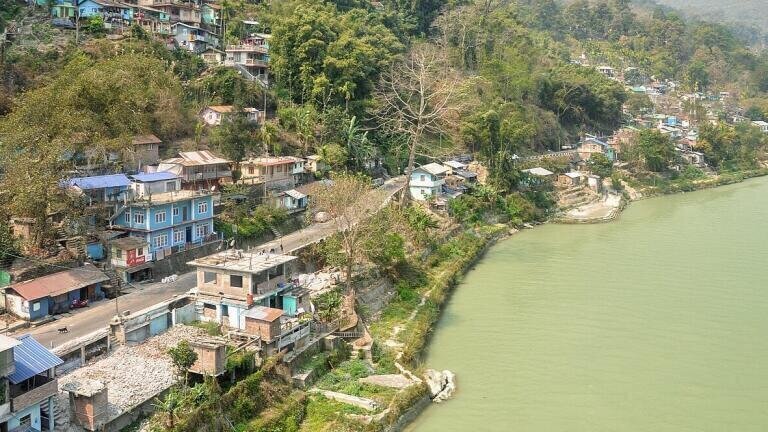
Water pollution monitoring
On 30 January 2025, India’s Ministry of Environment, Forest & Climate Change (MoEFCC) issued the Control of Water Pollution (Grant, Refusal or Cancellation of Consent) Guidelines, 2025.
These new guidelines swept aside legacy processes rooted in the original Water (Prevention and Control of Pollution) Act of 1974.
The overhaul is pitched as a leap towards modernised, transparent, and digitally enabled consent-to-operate systems.
For industries, this means a unified application process and the likelihood of real-time regulatory oversight.
For environmental monitoring professionals, it signals a more data-centric compliance landscape with higher stakes for both regulators and operators.
For the first time, the guidelines codify mandatory separation distances between industrial operations and water bodies.
High-polluting sectors, such as certain chemical manufacturing and tanneries, must now be located at least 500 metres from any surface water body.
Moderate-pollution industries face 75 metres if discharging effluent and 30 metres if they are non-discharge units.
These thresholds aim to reduce immediate pollution risks but will also influence site selection and expansion strategies for decades.
Within 6–12 months, a centralised online system will handle all consent applications, renewals, inspections, and reporting.
Operators will be able to track progress in real time, while regulators gain a unified dataset for oversight.
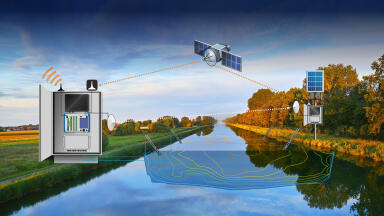
This creates the possibility of linking live effluent monitoring data via India’s growing Continuous Effluent Monitoring System (CEMS) network directly into the consent framework.
A 5% service fee will now be levied on applications to support Central and State Pollution Control Board activities, with rebates available for early renewals.
While modest, this charge could be structured in future to incentivise clean performance, rewarding facilities with consistently low chemical oxygen demand (COD) or verified zero liquid discharge.
National and State-level panels will fast-track enforcement in cases of non-compliance and improve inter-agency coordination—an area where past failures have left industrial water offences unpunished for years.
For environmental monitoring professionals, the guidelines offer both opportunities and operational shifts.
With every consent tied to a digital record, it becomes far easier to cross-reference basin-wide water quality data with industrial permitting data.
Patterns of non-compliance, such as repeat seasonal breaches, could be flagged automatically.
If live monitoring feeds are linked into consent dashboards, the lag between a breach and enforcement action could shrink from weeks to hours.
If the portal’s transparency provisions are fully implemented, communities and research institutions could access up-to-date permit and compliance records, opening new avenues for citizen science and watchdog activity.
The transition won’t be seamless. Smaller operators, particularly in less digital regions, may struggle with portal adoption.
Without targeted training and phased roll-out, compliance gaps could widen, undermining the reforms’ goals.
Enforcement capacity also remains a question mark.
Digital portals can flag breaches, but meaningful enforcement still depends on inspectors with the resources and authorities to act swiftly.
Without that, the system risks becoming a well-designed but underpowered database.
If implemented fully, the guidelines could lay the groundwork for a performance-based regulatory model, where consent renewal costs reflect environmental track record.
This would transform compliance from a box-ticking exercise into an ongoing incentive for cleaner production.
The framework could also enable predictive enforcement, using historic monitoring and consent data to anticipate and prevent likely breaches before they occur.
Integration with the CEMS network would be a decisive step in this direction, allowing automated alerts and potentially even AI-driven prioritisation of inspections.
IET 36.5 Sept/Oct 2026



 Product directory




















.jpg)