Water monitoring
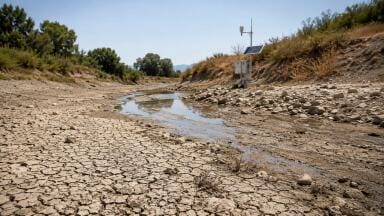
A major new report declares Earth's hydrological cycle dangerously imbalanced, with precipitation patterns shifting to offering only torrential rain or total drought.
In line with new data that the planet has become permanently drier, the Global Commission on the Economics of Water has detailed the trouble with the water cycle.
This imbalance undermines ecosystems, economies, and human security, making the water crisis a global emergency – which very quickly becomes a food crisis.
Over 1,000 children under five die daily from unsafe water, while women and girls spend 200 million hours hauling it.
Green water—soil and plant moisture critical for half of terrestrial rainfall—is frequently overlooked, says the report.
By 2050, high-income countries risk losing 8% of GDP as a result of water stress, while lower-income nations face losses of 10–15%.
The Global Commission on the Economics of Water advocates for redefining water as a global common good, emphasizing its interconnected role in climate change, biodiversity, and all 17 Sustainable Development Goals (SDGs).
This requires a transformative approach to water governance, valuing both blue water (rivers, lakes, aquifers) and green water (soil moisture) as essential resources.
Policies must address water use efficiency, pollution mitigation, and equitable distribution while encouraging long-term innovation and investment.
Central to this vision is proper water pricing, eliminating harmful subsidies, and incentivizing sustainable practices.
Effective governance of the hydrological cycle begins by recognizing its global interdependence, spanning transboundary rivers, aquifers, and atmospheric moisture flows.
Policies must integrate both visible blue water and green water, which generates half of terrestrial rainfall.
Stabilizing the water cycle requires collaborative action to combat deforestation, restore soil moisture, and protect wetlands, which are critical to carbon sequestration and biodiversity.
Here is the updated version of your piece with a new section on how monitoring can help to fix or better manage the hydrological cycle:
A major new report declares Earth's hydrological cycle dangerously imbalanced, with precipitation patterns shifting to offering only torrential rain or total drought.
In line with new data that the planet has become permanently drier, the Global Commission on the Economics of Water has detailed the trouble with the water cycle.
This imbalance undermines ecosystems, economies, and human security, making the water crisis a global emergency – which very quickly becomes a food crisis.
Over 1,000 children under five die daily from unsafe water, while women and girls spend 200 million hours hauling it.
Green water—soil and plant moisture critical for half of terrestrial rainfall—is frequently overlooked, says the report.
By 2050, high-income countries risk losing 8% of GDP as a result of water stress, while lower-income nations face losses of 10–15%.
The Global Commission on the Economics of Water advocates for redefining water as a global common good, emphasizing its interconnected role in climate change, biodiversity, and all 17 Sustainable Development Goals (SDGs).
This requires a transformative approach to water governance, valuing both blue water (rivers, lakes, aquifers) and green water (soil moisture) as essential resources.
Policies must address water use efficiency, pollution mitigation, and equitable distribution while encouraging long-term innovation and investment.
Central to this vision is proper water pricing, eliminating harmful subsidies, and incentivizing sustainable practices.
Effective governance of the hydrological cycle begins by recognizing its global interdependence, spanning transboundary rivers, aquifers, and atmospheric moisture flows.
Policies must integrate both visible blue water and green water, which generates half of terrestrial rainfall.
Stabilizing the water cycle requires collaborative action to combat deforestation, restore soil moisture, and protect wetlands, which are critical to carbon sequestration and biodiversity.
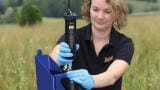
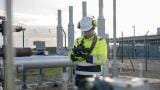
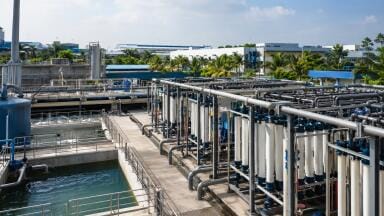
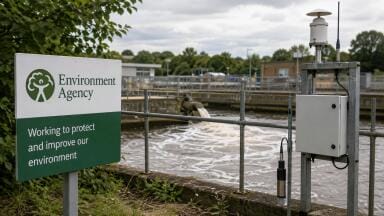
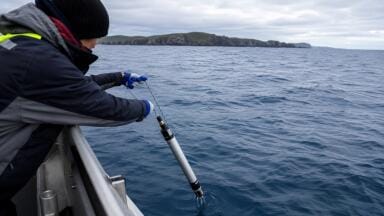
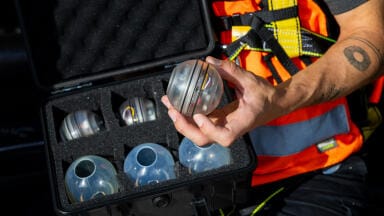
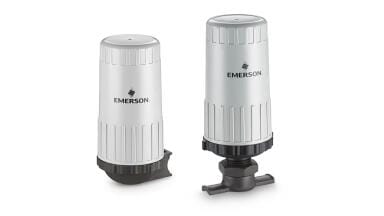
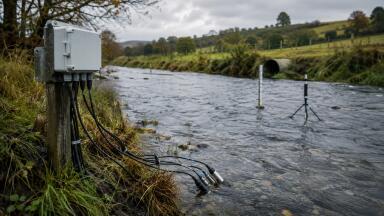
By leveraging remote sensing, satellite data, and ground-based hydrological measurements, policymakers can track rainfall, soil moisture, and water use with greater accuracy.
Real-time monitoring allows early identification of droughts, excessive rainfall, or aquifer depletion, enabling governments to implement timely interventions like water conservation measures, flood mitigation plans, and crop adjustments.
Similarly, tracking soil moisture ensures better green water utilization, boosting vegetation growth and restoring natural hydrological processes.
On a global scale, coordinated water monitoring can improve transboundary river and aquifer governance, facilitating cooperation between nations.
A Global Water Pact could unify these efforts, emphasizing systemic challenges and shared responsibilities.
Drawing from the UN frameworks for climate and biodiversity, it would establish measurable goals to safeguard water resources, foster sustainable land use, and address inequities in access and impact.
Such a pact would prioritize inclusive governance, ensuring marginalized voices and diverse perspectives shape solutions for a resilient and just water future.
IET Guide 2026

 Product directory