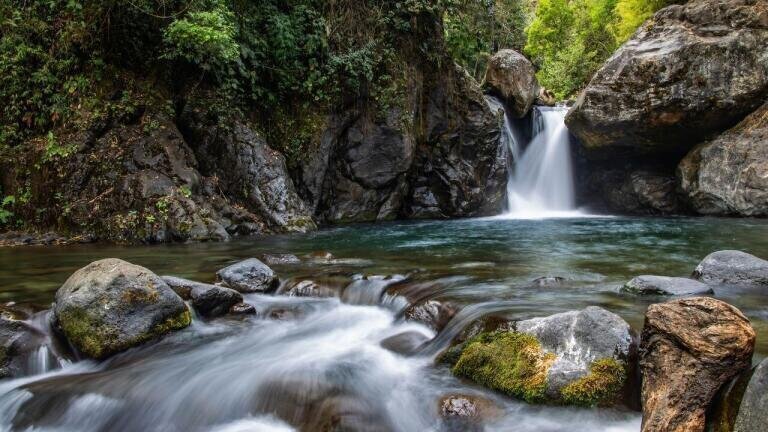
River water monitoring
Published over 11 years ago. See the latest and most current information on River water monitoring.
The organisation Water Footprint Network has produced data indicating how much water we use in various activities — and the results might surprise you. For example:
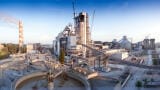
Over 247,000,000,000 m3 of water is used in the EU each year: 44% for cooling in the energy-production sector, 24% for agriculture and food, 17% for public water supply and 15% for use as the water supply for other industries.
How can we make this sustainable? That is where the EU WFD comes in.
The European Parliament, and member states, recognised how important it was to protect the water resources we take for granted every day. In December 2000 they launched a program known as the Water Framework Directive (WFD) to protect inland waters, estuaries, coastal waters and groundwater to reduce ecological and economic damage to a valuable natural resource.
Water resources are under threat from all kinds of human activity. The UK government reported that in England, only 27% of the water-bodies would be classed as being of “good status” under the new standards. Under the WFD, it is hoped that the environment can be protected and improved — helping to achieve sustainable development and long term health for these vital environments. But how does WFD work — and why is it different?
The WFD works by requiring member states to establish what are known as “river basin districts” and to make a management plan for each of these districts. Because rivers cross national frontiers — using an EU directive is the best policy to ensure all nations take part. A river basin or catchment area, is classed as the entire river system — from the sources of the small tributaries to the estuary and includes all the groundwater.
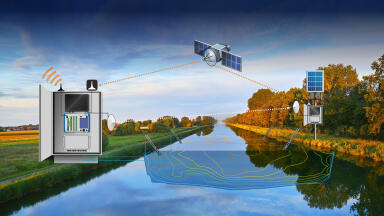
There are 110 river basin districts across Europe — the aim is to achieve “good” ecological and chemical status in all basins. Ecological status concerns the abundance of flora and fauna in the water, and the chemical status considers the pollutants in the water. The first WFD cycle operates from 2009 – 2015, and during this cycle it is expected that the number of surface water bodies in “good” status will increase from 43% to 53%. Monitoring the ecological and chemical properties are discussed here in New Technologies Enable High Resolution Monitoring.
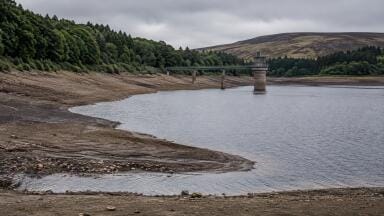
There is a long way to go, but it is a start. Water is one of the resources that is taken for granted — until there is none. The queues for a standpipe during a major burst often make the headlines in the UK — imagine if you had to queue every day?
IET Guide 2026
 Product directory












.jpg)