Portable & field testing
Published over 12 years ago. See the latest and most current information on Portable & field testing.
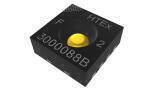
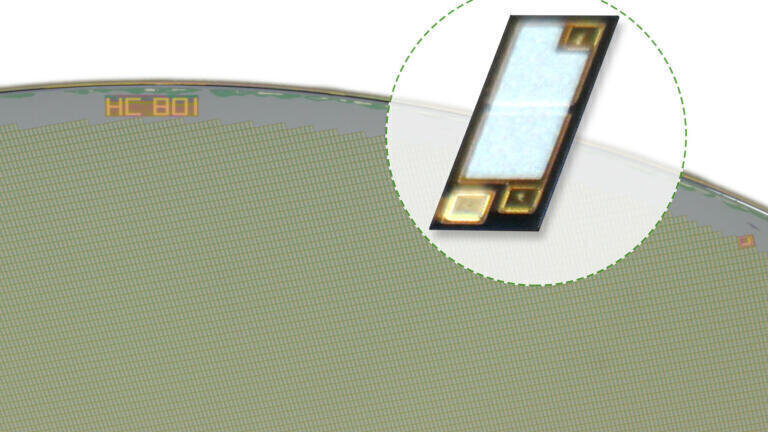
With the new HC801, E+E Elektronik (Australia) presents its smallest humidity sensor for mass applications to date. The miniature sensor for high precision humidity measurement is manufactured in thin layer technology based on silicon and is only 300 x 765 μm in size. Maximum reproducibility of the sensor characteristics and linearity across the entire humidity range, as with all humidity sensors in the HC series, further benefits the sensor element.
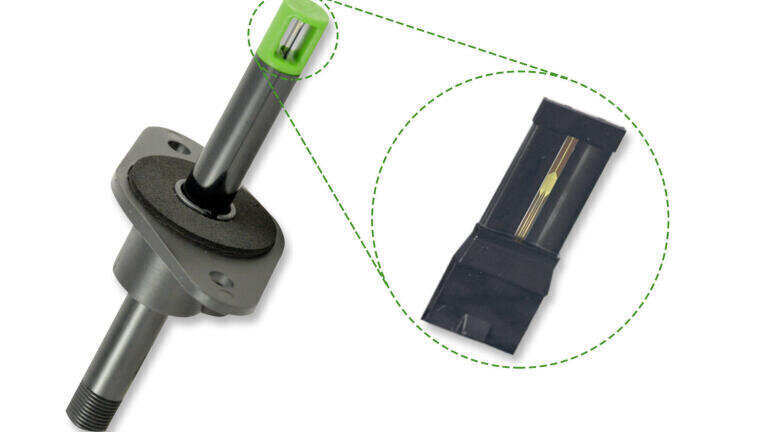
The new VTQ is a thin layer flow sensor, combined with the latest transfer molding technology. The result is a compact, easy to assemble sensor element with high dirt resistance and outstanding reproducibility of the sensor characteristics. Other advantages of the sensor are the rapid response time, low angle dependence and a wider measurement range up to 20 m/s.
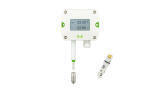
The new E+E temperature sensors are suitable for passive temperature measurement, primarily in HVAC and building technology. The product range includes a variety of models, such as a duct or immersion sensor (EE431). Also available are outdoor sensors (EE451), strap-on sensors (EE441), a cable sensor (EE461) or a model with remote probe (EE471).
An innovative production and mounting concept ensures a high protection class (IP65) and permits especially simple and rapid mounting of the sensors.
IET 36.5 Sept/Oct 2026




 Product directory