Gas sensors
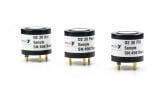
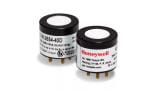
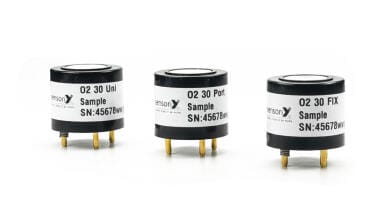
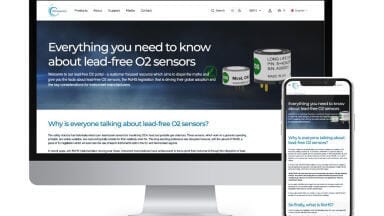
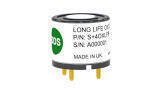
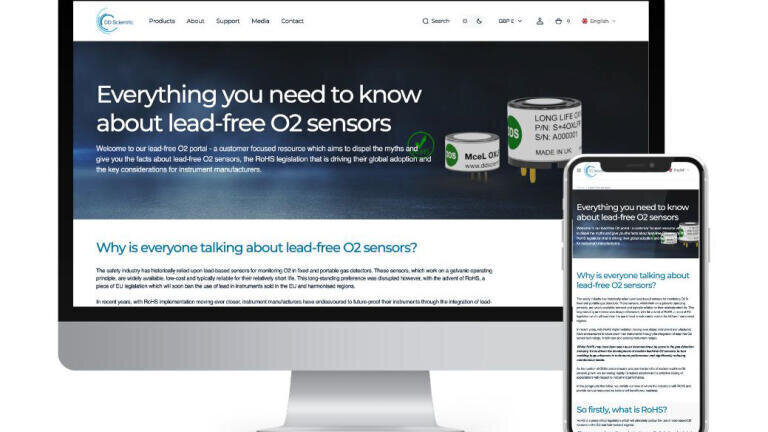
DD-Scientific, the leading manufacturer of electrochemical gas sensors, has launched a lead-free O2 portal which gives instrument manufacturers a clear and concise point of reference regarding lead-free oxygen sensors and the RoHS legislation which is driving their adoption globally.
The transition towards lead-free O2 sensor technology is often discussed in broad terms but not always with the detail needed to support informed decision-making. Partial information and commercially driven claims have made it harder for instrument manufacturers to understand how the future looks without lead, particularly from a technical and regulatory perspective. A misinformed manufacturer, or perhaps more likely a service provider, who substitutes one sensor for another may inadvertently downgrade the performance of an instrument, invalidate certification or in the worst case compromise instrument operation altogether.
The DD-Scientific lead-free O2 portal is a customer focused resource which aims to dispel the myths and deliver the facts about lead-free O2 sensors, RoHS legislation and the key considerations in transitioning to lead-free. DD-Scientific believes that in providing this resource, they help manufacturers minimise risk and make better-informed decisions around sensor selection and its impact on instrument performance.
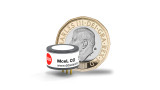
A key topic is the concept of a lead-free 'drop-in' replacement O2 sensor, has long been heralded as the answer to RoHS, which in theory minimises integration efforts for OEMs without negatively impacting the O2 sensor spares business upon which many rely. In reality, the ‘drop-in replacements’ which have recently become available fall short of their lead-based predecessors when it comes to performance. Meanwhile, an alternative to galvanic sensors, the amperometric lead-free O2 sensor, has become the go-to for instrument manufacturers.
When compared with galvanic sensors, amperometric sensors provide faster response, greater stability and improved environmental robustness, while also delivering a life of more than five years versus the typical two-year life of a galvanic sensor.
This critical factor negates the need for periodic replacement, making amperometric sensors by far the most sustainable and cost-effective solution.
To find out more about lead-free O2 sensors, RoHS and informed decision making around sensor selection click here.
IET Guide 2026



 Product directory