Gas detection
Published over 4 years ago. See the latest and most current information on Gas detection.
Most combustible gas detectors are equipped with either a catalytic bead sensor (pellistor) or an infrared sensor. Both technologies have their advantages; Pellisters are relatively inexpensive and sensitive to a wide range of combustible gases, infrared sensors are extremely resistant to environmental contaminants and mechanically robust but cannot be used to detect certain combustible gases such as hydrogen. The choice of technology used has often depended on the trade-off between cost and reliability.
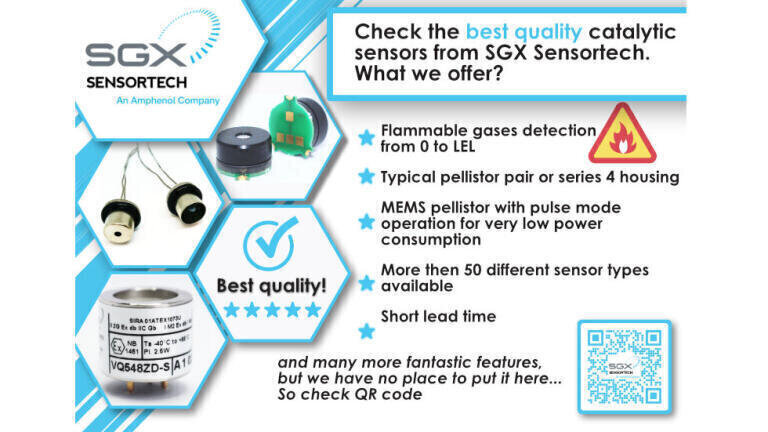
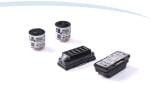
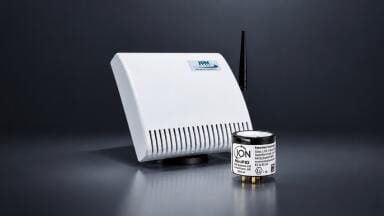
SGX Sensortech's MPEL sensor provides instrument manufacturers and users with a third option that eliminates the need for compromise. The combustible gas sensor uses well-known catalytic bead chemistry supported by a micro-electromechanical system (MEMS) built from silicon and provides revolutionary levels of detection reliability. Some of the key benefits are:
If you are a designer and manufacturer of either portable or stationary flammable gas instrumentation, the SGX Sensortech MPEL provides you with a product fully capable of meeting your customers’ flammable sensing needs. Whether you are looking to design smaller instruments, increase operating run time or reduce overall cost of ownership, the next generation MPEL technology can provide the answer. It is available in a range of industry standard packages, provided with full safety certification and can be used as a drop in replacement for your existing sensor with little or no circuitry modification.
If you’d like to learn more about the revolutionary technology included in the MPEL or wish to see for yourself the performance you can achieve, then please contact one of our knowledgeable sales team or our network of local distributors for more information or samples for evaluation.
IET 36.5 Sept/Oct 2026

 Product directory




.jpg)












_2.jpg)
.jpg)