Air monitoring
Finding methane is relatively easy. Finding out exactly where it is coming from, how much is escaping and whether something has changed at an industrial site is a much harder job. That is the problem German technology company DEUS is trying to tackle with a new approach to continuous methane monitoring.
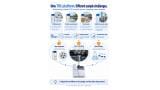
At the heart of the system is DEUS MethaneOS, a platform that brings together several different types of information that would traditionally be handled separately. High-resolution methane measurements are combined with three-dimensional models of the plant, local measurements of temperature and airflow, numerical simulations and software designed to work backwards from measured concentrations to identify likely sources.
The concept is simple: instead of simply flagging an increase in methane, give operators a better idea of what is actually happening and where they need to look.
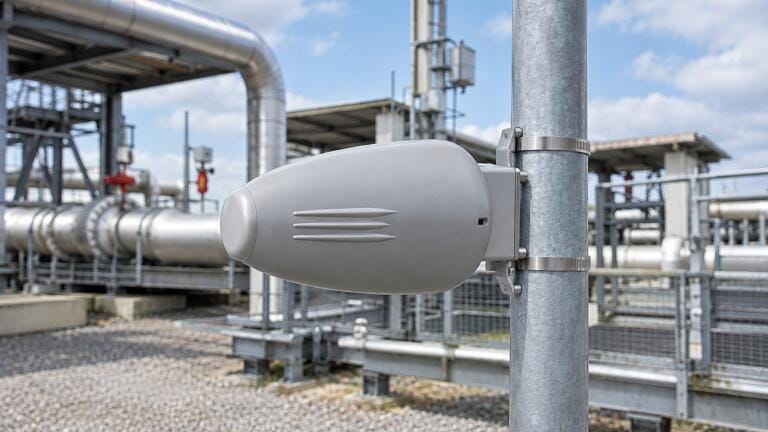
One element of the technology, DEUS SIGNATURA, creates a dynamic picture of methane emissions across a site. The plant is represented in three dimensions, including structures that can affect gas flow, while sensors continuously record methane concentrations and local microclimatic conditions. By putting these measurements into their physical context, the system can distinguish changes in emission behaviour from normal background variations.
DEUS says this allows changes to be identified within seconds, even when concentrations are only slightly above background levels. The system can also estimate the amount of methane being released, with measurements reaching down to the order of grams per hour.
But detecting an emission is only half the problem. On a busy industrial site, there may be numerous valves, pipes, tanks and other potential sources, and methane from different sources can overlap as it moves through the plant.
This is where DEUS ORIGO Sourcefinder comes in. Rather than starting with a known source and predicting where the methane will travel, the software works in reverse. It takes the concentration patterns measured around the site and combines them with information about local dispersion conditions to calculate where the emissions are most likely to have originated and how large they may be.
That sounds relatively simple, but working backwards from a gas plume is computationally demanding, particularly when several sources are involved. DEUS has developed an inverse optimisation method intended to make this type of analysis practical for continuous operation.
MethaneOS provides the framework that ties everything together. Plant information, asset data, sensor readings, simulations and analysis results can all be viewed within the same environment, alongside three-dimensional representations of the facility. The platform can also integrate DEUS equipment and third-party systems, providing operators with a single digital view of the site.
The result is intended to answer some fairly basic questions that can otherwise be surprisingly difficult to answer: where is methane appearing, is the situation changing, where is it likely to be coming from and how much is being released?
There is a wider point here, too. Methane monitoring is moving beyond the occasional survey or the simple identification of a leak. Continuous sensors can tell operators that something has changed, but increasingly it is the combination of measurement, modelling and site information that can explain what that change actually means.
For operators, that could make methane monitoring considerably more useful. Rather than being presented with another alert or another number on a screen, they can be given a clearer indication of where the problem lies and where attention is most urgently needed. In a large and complex plant, taking some of the guesswork out of that process could be just as important as improving the sensors' sensitivity.
In recognition of this groundbreaking approach, DEUS has been nominated for the German Innovation Award of the State of Brandenburg.
IET 36.5 Sept/Oct 2026

 Product directory