
Gas detection
Published over 3 years ago. See the latest and most current information on Gas detection.
Hydrogen is a clear, odourless and colourless gas. It is the most simple and abundant element in the world and can be used as a pure gas (H2) or combined with numerous other substances to form compounds- many of which we heavily rely on today.
There are so many processes and labels for hydrogen, so it can be confusing what they refer to. Hydrogen labelled by colour refers to the hydrogen production methods used. In this blog post, we will focus on blue and green hydrogen as these are the most renowned methods of producing hydrogen. However, hearing of grey, brown, yellow, turquoise, or even pink hydrogen is not uncommon.
Blue hydrogen is produced from natural gasses via steam methane reforming (SMR). During the steam methane reforming process, natural gas and very hot steam are mixed with a catalyst. As a result of this mixing, hydrogen and carbon dioxide are formed. To have pure hydrogen, the CO2 is removed and stored somewhere else.
If hydrogen is produced with natural gas and the process incorporates carbon capture, utilisation and storage (CCUS), it can be considered low-carbon hydrogen.
The benefits of using blue hydrogen include:
Saves renewable energy: Because blue hydrogen is not produced with renewable energy, it reduces the amount of renewable energy that needs to be produced, or it can be saved for a more beneficial purpose.
Uses fewer scarce resources: As renewable energy production requires more land, it takes up more space. However, blue hydrogen production does not require such vast amounts of land.
Cost-effective: For the time being, green hydrogen is more expensive than blue, thus making blue hydrogen more cost-effective.
Green hydrogen is produced by electrolysis by using a renewable energy source, such as water or wind, as the electrical current. As carbon dioxide is not emitted into the atmosphere during this process, it is the most efficient and clean energy available.
There are numerous benefits to using green hydrogen and we will list some of them below:
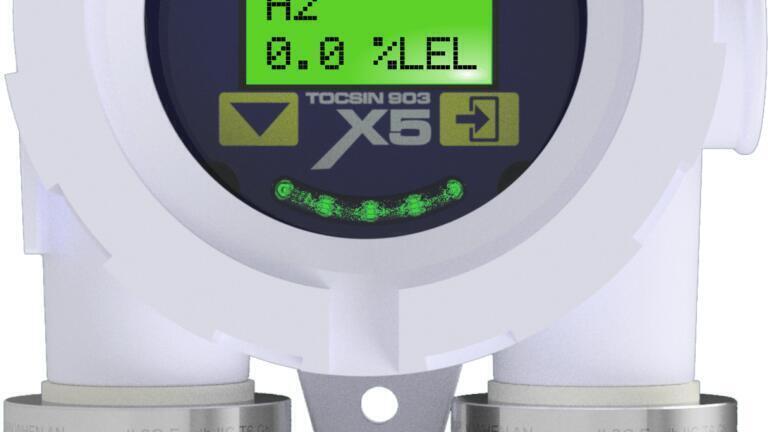
When working with hydrogen, oxygen and other gases it is important to maintain the safety of staff, machinery and the environment which these gasses are present in. At International Gas Detectors Ltd, we provide a range of gas detectors for hydrogen, oxygen and more.
Check out this link below to find out more about our options for hydrogen.
IET Guide 2026

 Product directory