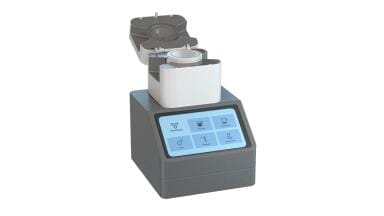
Fixed gas detector
Published over 12 years ago. See the latest and most current information on Fixed gas detector.
Imagine one alarm or sensor failing and the whole process having to shut down whilst you wait for a service engineer call out. Can you afford to work around an unexpected plant shut down?
If you’re responsible for the gas detection program on site and you want to keep your detectors in good health and avoid any nasty surprises, it’s a good idea to look into preventative maintenance.
Preventative maintenance can give you the freedom to be a bit more relaxed; rather than go into a panic last minute you can spot the problem before it occurs and plan ahead.
Although implementing preventative maintenance can come with a small price tag upfront, the benefits to be gained easily outweigh the initial cost: Reduced long-term costs; No additional site training or employee training required; Enhanced gas detector performance and detector life cycle; Reduced detector downtime; No additional stock of spares or consumables (i.e. sensors) required; Peace of mind that your detector has been externally verified.
Preventative maintenance is the implementation of solutions that can self-diagnose, warn of likely issues should they occur and how to resolve these issues. By planning ahead you can minimise the occurrence of false alarms and maximise plant safety.
In more recent years, most gas detectors are built to provide “maintenance free” operation and although this is great and reduces the cost of ownership, it is still important that your gas detectors are routine to regular calibration and maintenance checks. Properly working gas detectors means alerting personnel if dangerous levels of hazardous gases are present. And those alarm settings cannot be relied upon unless your sensors have been calibrated / checked in accordance with industry recognised guidelines.
The maintenance and calibration of a gas detection system whether, fixed, transportable or portable will depend on a number of factors including type of sensors used within the instrument and the application. Even though factors may vary it is important to remember that all gas detection and gas monitoring devices require calibration and routine servicing.
In a perfect world your sensors wouldn’t drift and toxic gases wouldn’t poison your infrared sensors but you know that isn’t realistic and you know your gas detection program is susceptible to wear and tear.
a1-cbiss’ (UK) solution to this is a free service health check plan. They will come out at a time that suits you best and carry out a full health check of your gas detection system from the sensors right through to the control panel. Best of all, it’s completely free and there’s no obligation. To find out more about how their health check can keep your gas detection program in good health visit www.a1-cbiss.com/free-service-health-check.
IET 36.5 Sept/Oct 2026


 Product directory























.jpg)