Environmental laboratory
Published over 7 years ago. See the latest and most current information on Environmental laboratory.
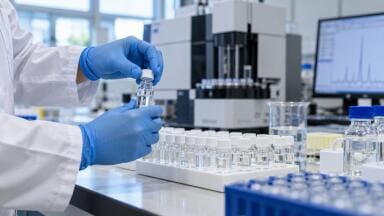
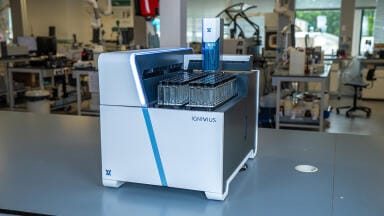
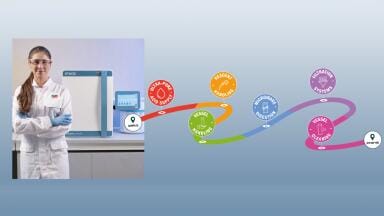
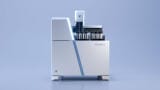
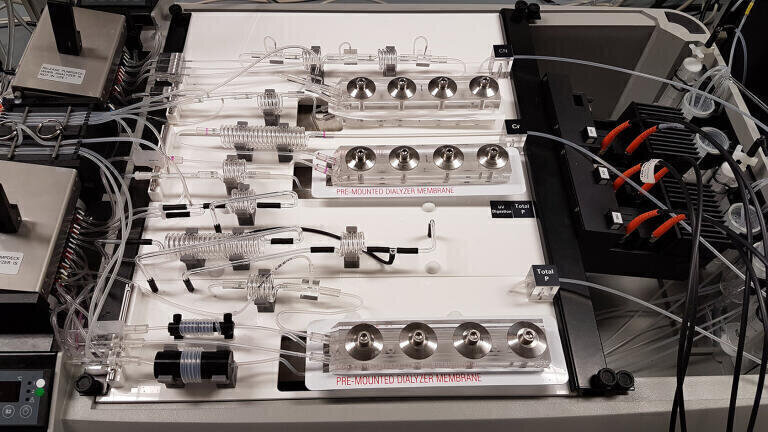
The implementation of Long Capillary Flow Cells (LCFC) in K San++, from Skalar, have already been used successfully to increase the sensitivity for various automated analytical procedures, but is now also available for the analysis of total UV digestible phosphate, free cyanide and free chromium (VI).
Extremely low concentrations of phosphate, cyanide and chromium (VI) in drinking, surface and waste water can be measured. This increased sensitivity is achieved due to the use of flow cells having an optical path length ranging from 10 - 250 cm. Depending on the requirements of the application, the exact flow cell will be chosen.
The San++ continuous flow analyzer is the ultimate solution for determining highly accurate extremely low levels of phosphate, cyanide and chromium (VI) in large sample series at a high analysis frequency, whilst still yielding superb reproducibility and stability.
IET 36.5 Sept/Oct 2026


 Product directory