Environmental laboratory
As the political and economic climate continues to shift, are we witnessing the deregulation of the EU’s environmental protection infrastructure? Jed Thomas
The European Union is at a crossroads on its journey towards sustainability.
With the unveiling of the Omnibus Simplification Package, the EU Commission is significantly reshaping the sustainability reporting landscape.
The package, aimed at reducing regulatory burdens and enhancing European industrial competitiveness, has ignited fierce debate over whether it constitutes necessary simplification or a retreat from the EU’s green commitments.
The European Commission has recently reaffirmed its ambition to make the EU the global leader in green technologies.
The Clean Industrial Pact, a cornerstone of this initiative, seeks to integrate decarbonization with industrial growth, ensuring the EU remains competitive with China and the U.S.
To achieve this, the Commission plans to mobilize over €100 billion to support industries in reducing energy costs and bolstering green technology sectors, such as battery production and lithium refining.
Neil Makaroff, director of the Strategic Perspectives think-tank, highlights a paradigm shift in European industrial policy, with a newfound emphasis on European preference in public procurement for green technologies.
However, as these ambitious plans unfold, the sustainability regulatory framework underpinning them faces significant dilution through the Omnibus package.
The CSRD was introduced to enhance corporate transparency on environmental and social impacts, mandating companies to disclose their sustainability practices. However, the Omnibus package drastically scales back these requirements:
While these changes aim to reduce the administrative burden on businesses, critics argue they will create significant data gaps, hinder transparency, and restrict sustainable investment opportunities.
The CSDDD was originally designed to hold corporations accountable for human rights and environmental violations across their entire supply chains. The Omnibus proposal, however, weakens its due diligence obligations:
Labour and environmental activists warn that these rollbacks could lead to increased exploitation and ecological damage, particularly in vulnerable regions reliant on European markets.
The EU Taxonomy was created as a classification system to help investors and businesses identify sustainable economic activities. The Omnibus changes include:
Financial experts and sustainability advocates argue that these changes risk undermining the credibility of the EU's sustainable finance framework and reducing incentives for green investments.
The Omnibus package is framed by the European Commission as a necessary step to enhance competitiveness and prevent excessive regulatory burdens. However, civil society organizations, climate activists, and responsible business leaders warn that the changes threaten to derail the EU’s Green Deal commitments.
Mariana Ferreira, Sustainable Finance Policy Officer at WWF European Policy Office, describes the Omnibus as “a reckless proposal that threatens the commitments made and work done to achieve the EU Green Deal.” The deregulation process, she argues, signals a shift in priorities towards corporate interests at the expense of environmental and social progress.
Investors, too, have expressed concern.
More than 160 institutional investors managing €6.6 trillion in assets recently urged the EU to maintain strong sustainability reporting requirements, warning that weakening regulations would harm investment opportunities and economic resilience.
A new era?
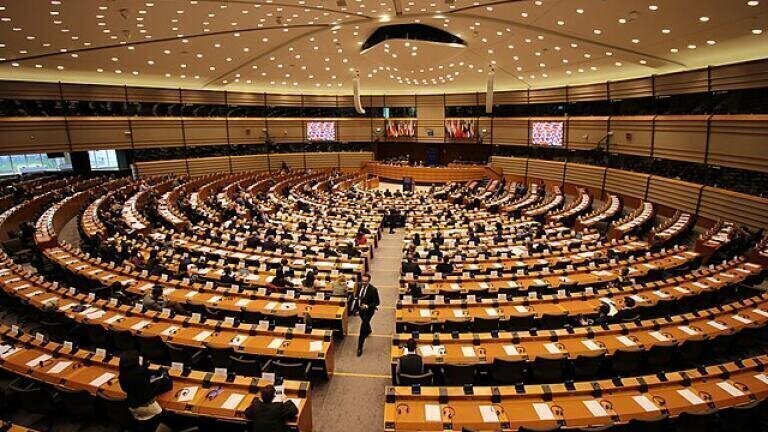
The Omnibus proposal is now set for consideration by the European Parliament and EU Member States.
While the Commission has urged swift approval, significant opposition is expected from environmental groups, human rights organizations, and certain MEPs committed to upholding strong sustainability standards.
The debate surrounding the Omnibus highlights the tension between industrial competitiveness and regulatory oversight.
As the EU strives to lead in green technologies, the question remains: will deregulation propel or hinder Europe’s ambition to be a global leader in sustainability?
The coming months will determine whether the EU's green commitments remain intact or become another casualty of corporate influence and economic pragmatism.
IET 36.5 Sept/Oct 2026



 Product directory