Ambient air quality
Published over 8 years ago. See the latest and most current information on Ambient air quality.
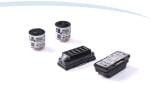
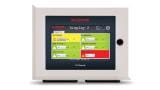
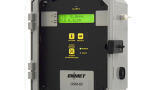
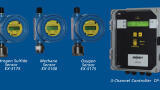
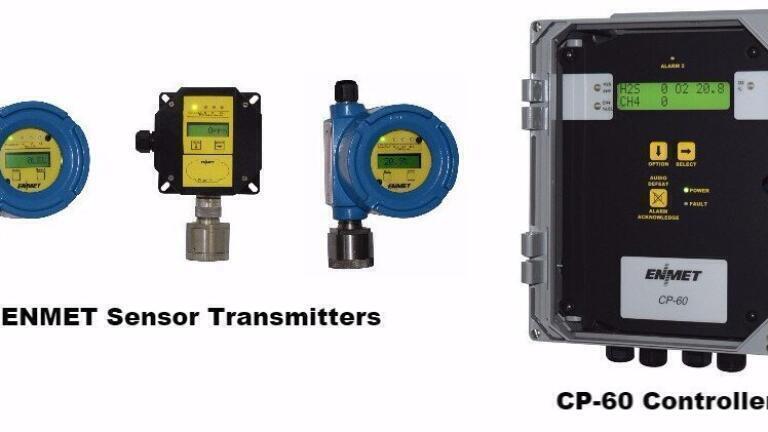
The health and safety of personnel working in a potentially hazardous environment is an important concern for all employers. There are several key factors when assessing the need for Enmet’s fixed gas detection systems when monitoring ambient air. First, identify the toxic or combustible chemicals, gases or vapours that could be present and creating hazardous conditions in the area. Once these hazards are identified, important characteristics of each hazard can be obtained to help with proper selection and placement of Enmet’s fixed gas detection sensor transmitters and monitoring systems. These important characteristics include TWA (time-weighted average), IDLH (immediately dangerous to life and health) value, LEL (lower explosive limit) value, UEL (upper explosive limit) value and density of chemical versus density of air, which helps determine where to mount the sensors.
Once this information is obtained, Enmet’s Sales Team can help you determine which of their fixed gas monitoring systems will work best for your application. The detailed information will also be useful in determining which sensors should be used, span calibration values and alarm point settings, and proper sensor placement (near ceiling, near floor or in the breathing zone).
Enmet’s laminated pocket size guide is a great tool that helps provide these answers for some of the most common toxic and combustible chemicals.
IET 36.5 Sept/Oct 2026


 Product directory




.jpg)