Ambient air quality
Published over 3 years ago. See the latest and most current information on Ambient air quality.
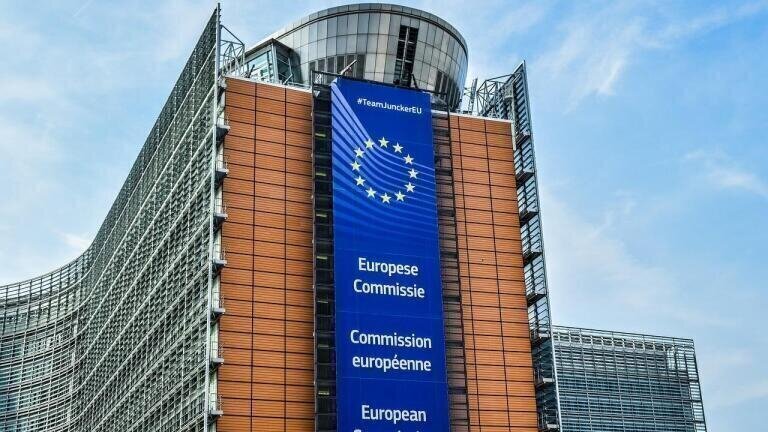
In the face of growing awareness around the pollution in the air we breathe and the damage it can potentially wreak upon not just our bodies, but the natural world too, the authorities have attempted to address the situation. In Europe, this has involved an extensive body of legislation put in place by the EU, collectively known as the Ambient Air Quality Directives.
These Directives set out guidelines for how member states can collect, document and share information about the concentrations of a variety of different contaminants in their airspace. The legislation also delineates targeted maximum thresholds over a given period of time so as to mitigate the likelihood of dangerous exposure to the offending pollutants.
The first Directive was introduced in 2004 as Directive 2004/107/EC and discussed concentrations of heavy metals in the air, such as arsenic, cadmium, mercury and nickel, as well as polycyclic aromatic hydrocarbons (PAHs). This was followed by Directive 2008/50/EC, setting out broader standards for cleaner ambient air across the continent.
Three years later, Directive 2011/850/EU outlined rules and standards for the reciprocal collection and sharing of information about air quality levels, while Commission Directive 2015/1480/EU amended annexes for prior Directives. The EU is currently in the process of updating its Directives to align itself more closely with the most up-to-date advice from the UN and the World Health Organisation (WHO).
In total, the Ambient Air Quality Directives cover 12 different pollutants. Five of these (carbon monoxide, nitrogen oxides, ozone, particulate matter and sulphur dioxide) are accommodated for by the UK by the Automatic Urban and Rural Network (AURN), which is the largest automatic air quality monitoring system in the country.
The remaining seven pollutants (arsenic, benzene, cadmium, lead, mercury, nickel and polycyclic aromatic hydrocarbons (PAHs)) are monitored by other apparatuses in the UK. The Directives stipulate that each contaminant must not exceed a specific concentration threshold over a given period of time. Those periods of time can vary from contaminant to contaminant given that the danger of exposure is different from one to another.
If a member state is found to have exceeded the maximum threshold for any given pollutant, they are required by EU law to submit an air quality programme containing detailed information on how the issue is to be addressed. This includes provisions for limiting the exceedance time period as much as possible, as well as reducing future emissions of the offending contaminant from its sources.
In the case of continued transgressions with no relevant action taken nor an appropriate programme submitted, the EU does wield the authority to impose fines on the government of the offending country. Prior to Brexit, this happened to the UK several times, with areas of London (and other cities) regularly exceeding the maximum threshold for certain pollutants, sometimes within a matter of days.
IET Guide 2026
 Product directory