Showing 1 to 12 of 1154 results
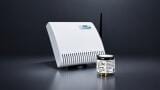
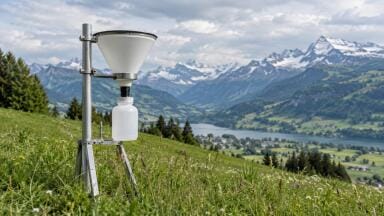
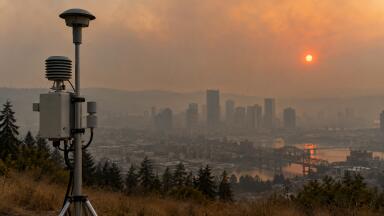
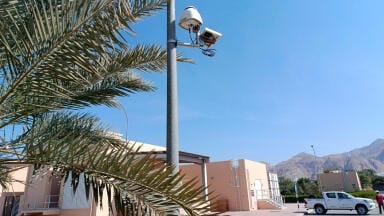
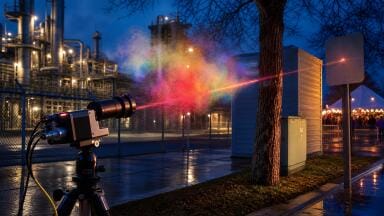
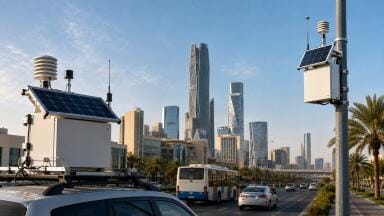
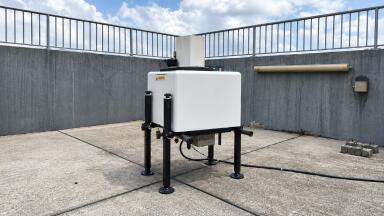
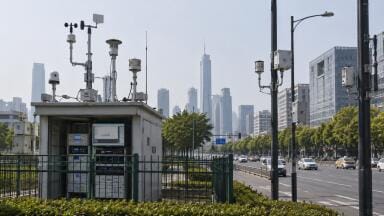
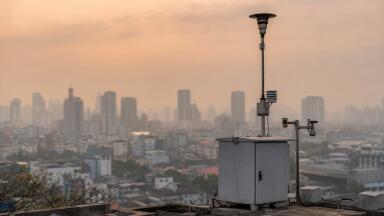
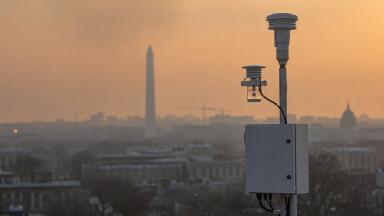
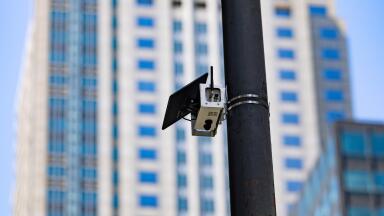
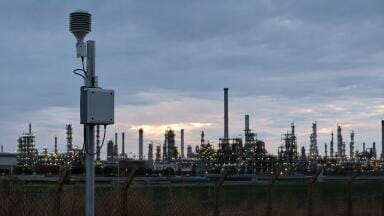
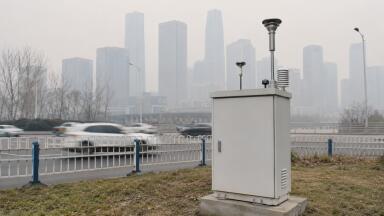
An air quality index (AQI) is used by government agencies[1] to communicate to the public how polluted the air currently is or how polluted it is forecast to become.[2][3] AQI information is obtained by averaging readings from an air quality sensor, which can increase due to vehicle traffic, forest fires, or anything that can increase air pollution. Pollutants tested include particulates, ozone, nitrogen dioxide, carbon monoxide, sulphur dioxide, among others.
Public health risks increase as the AQI rises, especially affecting children, the elderly, and individuals with respiratory or cardiovascular issues. During these times, governmental bodies generally encourage people to reduce physical activity outdoors, or even avoid going out altogether. The use of face masks such as cloth masks may also be recommended.
Different countries have their own air quality indices, corresponding to different national air quality standards. Some of these are Canada's Air Quality Health Index, Malaysia's Air Pollution Index, and Singapore's Pollutant Standards Index.
IET 36.5 Sept/Oct 2026



 Product directory















.jpg)