Air monitoring
Published over 14 years ago. See the latest and most current information on Air monitoring.
Leosphere (France), provider of Lidar technologies for atmospheric observations, recently announced its first dual range of products dedicated to the air traffic industry at the Meteorological Technology World Exhibit.
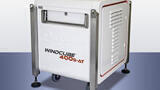
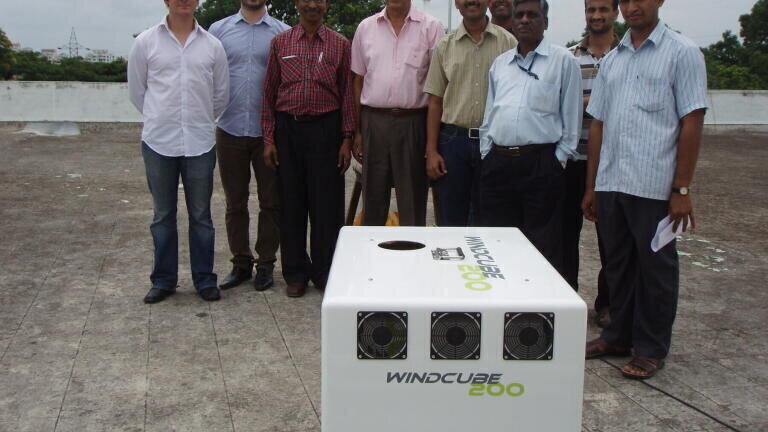
The WindCube200s is a new generation of long range scanning wind doppler lidar that addresses the landing and take off atmospheric related hazards : gust fronts, microbursts, windshears, wake vortices.
The R-Man510, a Raman Lidar Super Ceilometer, comes as an answer to volcanic ash threats at cruising altitudes.
“Weather services and air traffic managers required new remote sensing techniques to take both safe and cost
effective decisions when the atmosphere holds unexpected hazards such as ash clouds coming from volcanic eruption, or wind shears in landing or take off areas” said Laurent Sauvage, Scientific Director for Leosphere.
“Since the formation of our company, we have always believed that Lidars, a laser-radar able to see invisible
atmospheric phenomenon up to 15 kilometers, could serve the air trafic industry. The simultaneous launching of these two products, a wind Doppler Lidar and an ash threat detection Lidar Super Ceilometer, moved by the same spirit of high performance and low cost, makes our company very proud to help make the air space safer.
IET Guide 2026

 Product directory


















.jpg)