Air monitoring
Jim Mills explores the growing problem of dampness and black mould in homes and links to a recent animation video he produced on the topic.
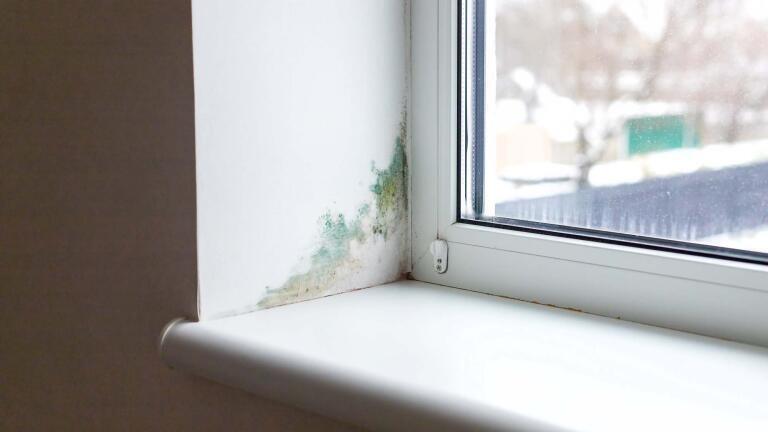
Dampness and the subsequent formation of black mould are pervasive issues within residential properties.
They pose significant risks to both structural integrity and, more critically, the health of occupants.
Understanding the causes, effects and effective mitigation strategies is crucial for maintaining a healthy indoor environment and improving overall air quality.
"A coroner has said the death of an 'engaging, lively, endearing' two-year-old from prolonged exposure to mould in his family’s flat should be a “defining moment” for the UK’s housing sector.
"Awaab Ishak died in 2020, eight days after his second birthday, as a direct result of black mould in the flat he lived in.” Source : The Guardian, 15 Nov 2022
Dampness in homes can arise from various sources such as rising damp, penetrating damp (from leaks or damaged roofs), condensation (due to poor ventilation) and construction defects.
When moisture levels remain elevated, they create an ideal environment for the growth of mould; particularly Stachybotrys chartarum, commonly known as black mould.
This fungal growth thrives on organic materials found in homes.
The presence of dampness and black mould can lead to a range of issues:
Beyond the structural and aesthetic concerns, exposure to black mould carries serious health risks.
Mould spores, when inhaled, can trigger a variety of adverse health effects, particularly in sensitive individuals.
Children, the elderly and individuals with compromised immune systems are at a higher risk of experiencing severe health consequences from mould exposure.
Effectively addressing dampness and preventing black mould formation requires a multi-faceted approach, with ventilation playing a central role.
Proper ventilation is paramount in controlling indoor humidity levels and preventing condensation.
Beyond ventilation, other measures can help regulate indoor humidity.
Regularly cleaning of surfaces, especially in areas prone to dampness like bathrooms and kitchens, can help prevent mould from establishing.
If mould is already present, it should be safely and thoroughly removed.
For small areas, this can be done with appropriate cleaning agents. For larger infestations, professional mould remediation is necessary to ensure complete removal and address the underlying cause.
Ensuring proper exterior drainage around the foundation of a house can prevent water from accumulating and seeping into the basement or crawl spaces.
The detrimental effects of dampness and black mould on homes and human health are significant.
By prioritising effective ventilation, addressing sources of dampness and implementing regular cleaning and remediation measures, homeowners can significantly lower the risk of mould formation, protect their property, and create a healthier, more breathable indoor environment for all occupants.
Proactive measures are key to preventing these issues and safeguarding well-being.
Here is a link to a short animated film we recently commissioned, showing ways residents and homeowners can take direct simple actions to mitigate some of the risks - https://vimeo.com/1063101268/8f16867f2f
IET Guide 2026

 Product directory
















.jpg)