Air monitoring
In continuous emissions monitoring (CEMS), it’s easy to focus on the analyser itself. However, the accuracy of the data is often decided much earlier, at the point where the sample is first taken from the process.
When gas streams are wet, contaminated, or chemically aggressive, the challenge is not just measurement. It is sample integrity. High condensate formation, dust loading, and reactive compounds can all distort readings, block lines, and gradually undermine system reliability.
That is why front-end sample gas conditioning systems are becoming increasingly important in modern industrial monitoring setups.
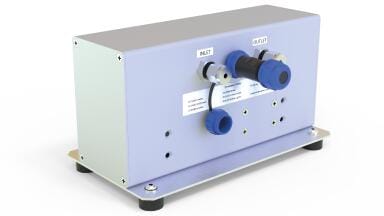
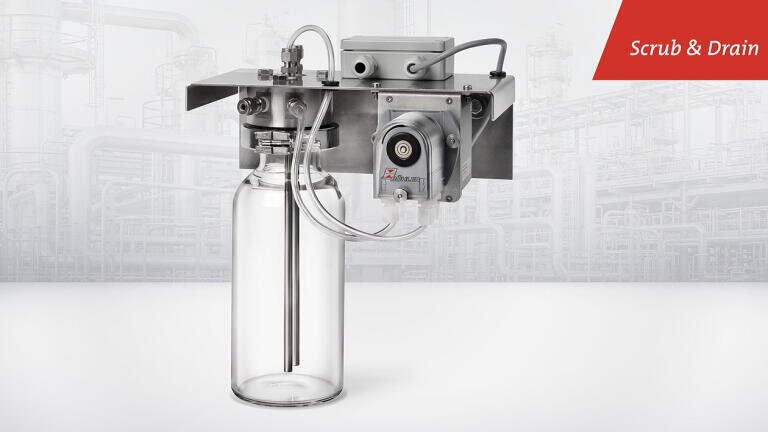
The Washing Station WS-CP from Buehler Technologies is designed specifically for these demanding environments, where conventional gas conditioning approaches can struggle to maintain stable operation.
In sectors such as combustion plants, waste incineration, and heavy industrial emissions monitoring, sample gas often contains sulphur oxides, nitrogen oxides, ammonium salts, and fine aerosols. Without effective conditioning, these components can condense or react within the sampling line, leading to deposits, corrosion, and long-term measurement drift.
The WS-CP acts as an early-stage sample gas washing system, removing soluble and particulate contaminants before they reach downstream conditioning equipment or analysers.
As the gas passes through the unit, interfering components are transferred into a liquid phase. This wash process reduces the chemical and particulate load in the sample stream, helping to stabilise downstream measurements.
Condensate is handled automatically via an integrated condensate pump, allowing the system to cope with high liquid formation without interrupting operation. This is particularly valuable in applications where process conditions fluctuate and condensate levels are unpredictable.
For more challenging applications with high aerosol loading, the WS-CP can be configured for continuous wash-water exchange. Fresh water is supplied while used liquid is simultaneously removed, ensuring the washing medium remains effective and does not become saturated over time.
Constructed from chemically resistant materials, the system is designed for long-term use in aggressive gas environments where corrosion and chemical attack would quickly degrade conventional gas conditioning equipment.
While often overlooked, this stage of the CEMS sampling chain directly affects data quality. Poor gas conditioning does not simply increase maintenance—it can compromise measurement accuracy and regulatory confidence.
As emissions monitoring standards continue to tighten, there is growing industry recognition that robust sample gas conditioning is not a supporting function but a core requirement for reliable CEMS performance.
In that context, the role of gas washing systems such as the WS-CP is not about added complexity, but about removing uncertainty before it reaches the analyser.
IET Guide 2026

 Product directory














.jpg)