Weather monitoring
With the 2026-27 snow season approaching, environmental monitoring networks have a narrow window to get equipment installed, validated, and ready before the first storm arrives. Once conditions turn, site access narrows, maintenance windows shrink, and any equipment gap discovered mid-season, rather than caught in advance, can mean months of unreliable or missing data.
For networks adding or replacing snow depth sensors ahead of the season, a few selection criteria matter more than others:
Timeline for readiness: Selection and procurement should be finalised at least 8 to 10 weeks before typical first snowfall in a given region, allowing time for shipping, installation, and a full validation cycle. Installation and initial calibration should happen with enough buffer, typically 4 to 6 weeks out, to catch and correct any mounting, power, or data path issues while site access is still straightforward. Final validation, confirming the full data path from sensor to database, should be complete before the first forecasted snow event, not scheduled around it.
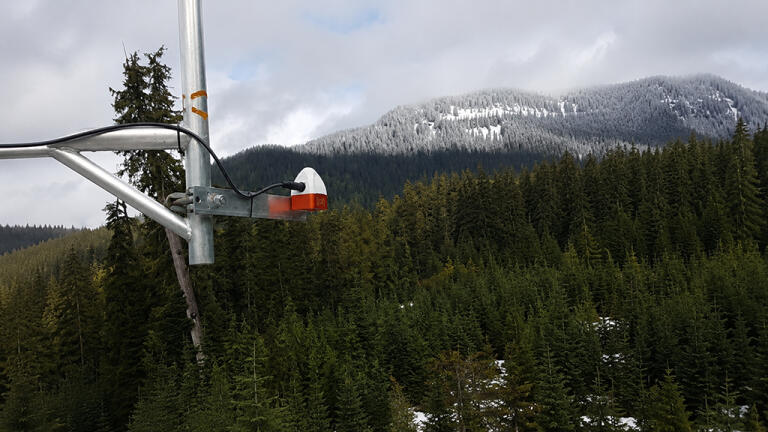
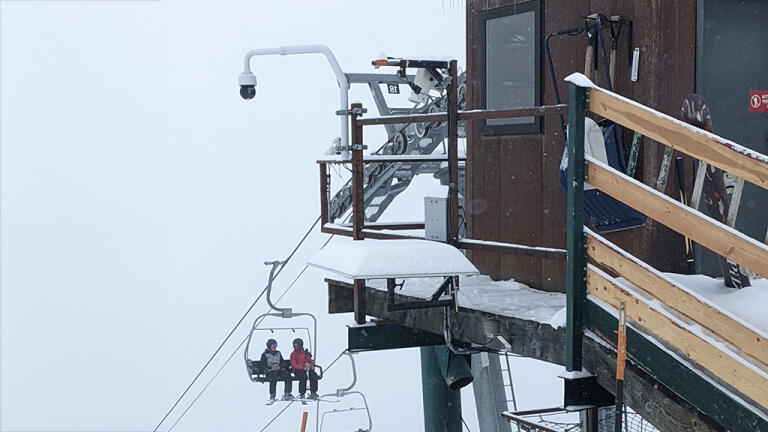
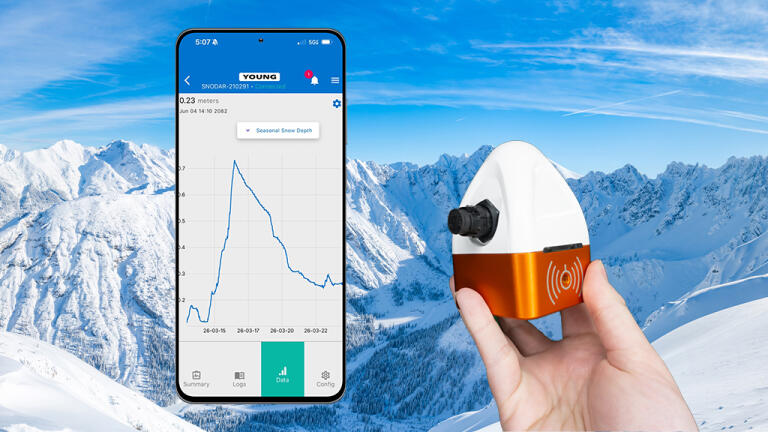
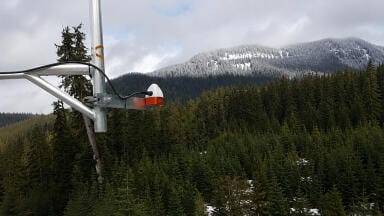
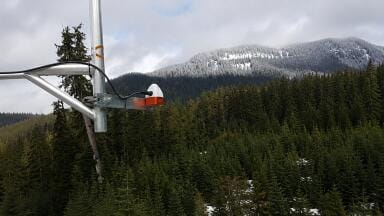
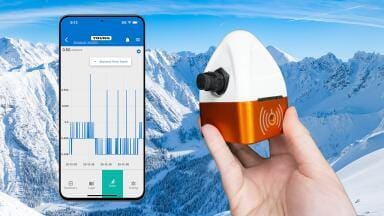
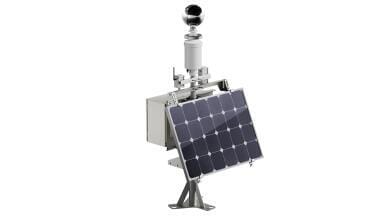
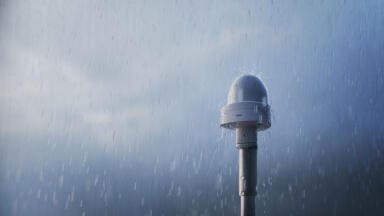
R.M. Young's SNOdar snow depth sensor is one option built against these criteria: LiDAR-based measurement for storm-condition accuracy, an IP67 rating with a -40 to 60 degree Celsius operating range, an average power draw of 0.5 watts, oblique or normal mounting for flexible retrofit, SDI-12 and RS-232 output, and a built-in seasonal data logger.
R.M. Young Company has manufactured precision environmental measurement instruments in the United States since 1964 and continues to push the envelope of what’s possible in snow science.
Download the How to Choose a Snow Sensor Field Guide to ensure you deploy the best instrument for your application.
IET 36.5 Sept/Oct 2026


 Product directory


.jpg)















.jpg)
.jpg)