Weather monitoring
Published over 8 years ago. See the latest and most current information on Weather monitoring.
Biral will exhibit at the Wind Energy Hamburg event this September to showcase their advanced meteorological instrumentation for the wind energy market.
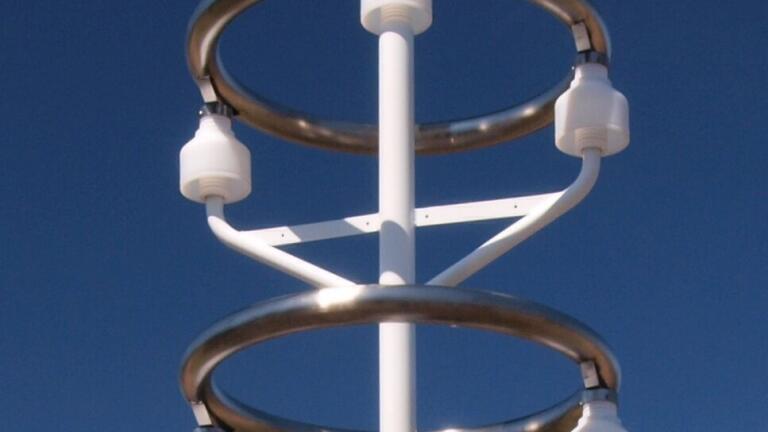
Biral’s Marketing Director, Nathan Neal, will be at the show demonstrating a wide variety of meteorological equipment. These are the newly-launched BTD-350 Thunderstorm Detector, BTD-300 Thunderstorm Detector, VPF-730 Visibility & Present Weather Sensor and the SWS-200 Visibility & Present Weather Sensor.
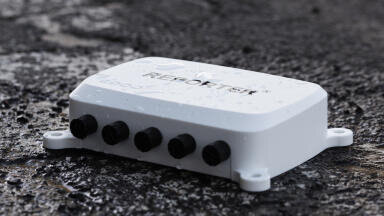
The new BTD-350 thunderstorm detector made its debut at the Meteorological Technology World Expo 2017.
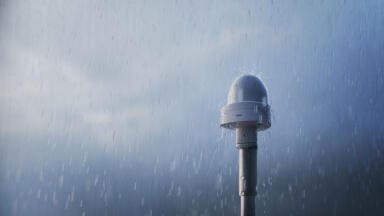
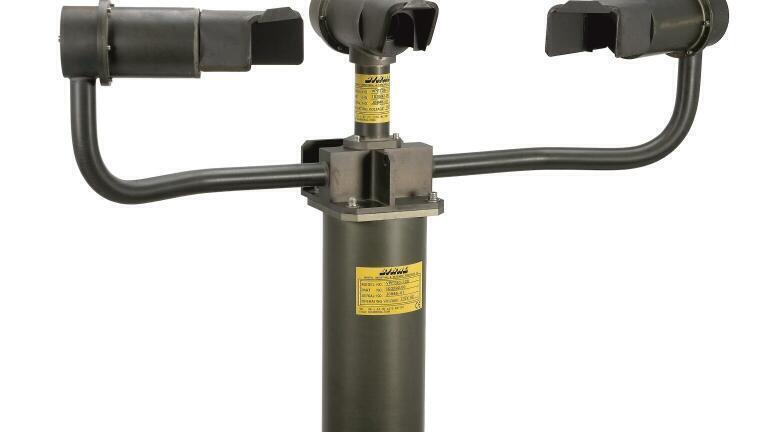
With its rugged design for marine applications, the BTD-350 Thunderstorm Detector, following the current BTD-300, is a standalone sensor that detects the presence of all forms of lightning to a range of 83 km. The BTD-350 is designed for marine applications, where severe weather, salt water corrosion and platform vibration produce a challenging environment for meteorological sensors. The metalwork is corrosion-resistant stainless steel and aluminium, further protected by marine-grade paintwork. Reinforced antenna supports prevent damage from excessive vibration. This design has been extensively tested in accordance with European marine vibration, marine radio interference and marine corrosion standards.
The company’s BTD-300 Thunderstorm Detection system uses a new technology detection system which has significant benefits for the wind energy sector. The system has the ability to detect all forms of lightning within an 83km radius, including warning of potential overhead lightning. The equipment is immune to man-made false alarms making it highly reliable in safety critical situations such as during turbine construction and maintenance.
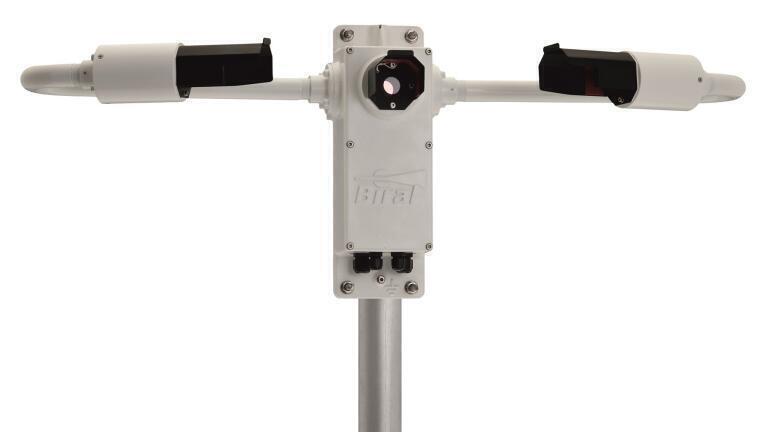
As Biral’s most corrosion resistant design, the VPF-730 provides accurate visibility and present weather measurement and has been specified for many installations due to its efficiency, reliability and performance. The sensor is a compact and robust package which makes it particularly suitable for controlling aviation obstruction lights on wind turbines. Its exceptionally long service life (15+ years) makes it ideal in coastal or off-shore locations where the local conditions can be severe.
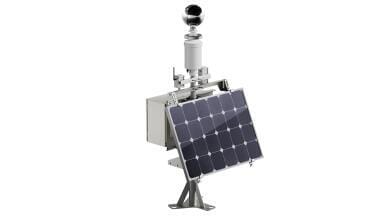
The SWS-200 is designed for use in applications where accurate and reliable visibility measurements are required with the addition of WMO 4680 present weather codes. The sensor measures Meteorological Optical Range (MOR) as well as reporting the presence of liquid and frozen precipitation. A feature of Biral sensors is their ability to report precipitation intensity according to a range of national standards. The unique backscatter receiver gives the SWS-200 unparalleled abilities in distinguishing frozen from liquid precipitation. This additional meteorological information can be key to the safe operation of wind turbines in harsh winter conditions, where icing of the blades can be a serious problem affecting the efficiency of energy generation.
IET 36.5 Sept/Oct 2026





 Product directory