Water/wastewater
Published over 6 years ago. See the latest and most current information on Water/wastewater.
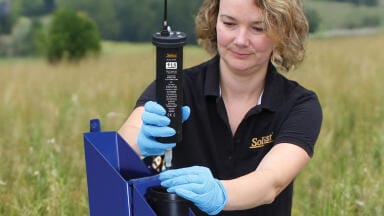
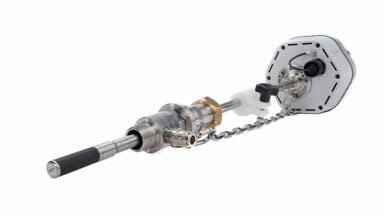
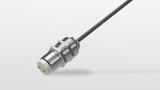
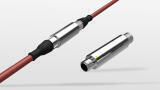
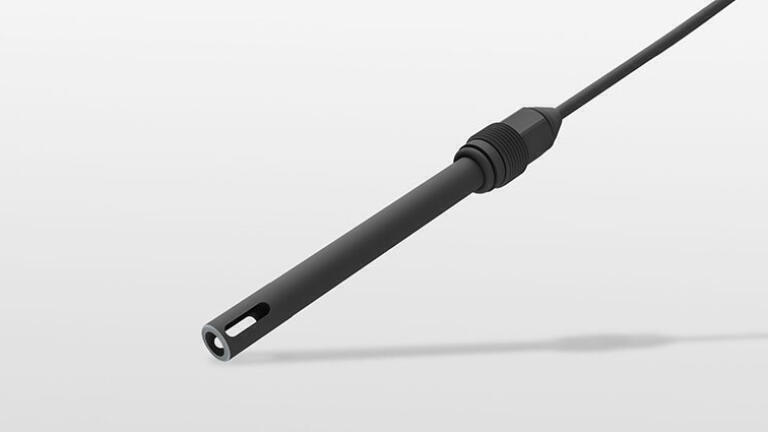
JUMO’s BlackLine CR 4P conductive four-pole conductivity sensor with integrated temperature probe is suitable for measuring both low and high conductivities. A wide measuring range from 1 µS/cm to 300 mS/cm is covered by the use of four-pole measuring technology.
This technology also offers other technical advantages such as reduced sensitivity to pollutants. Furthermore, no disturbing polarization effects, which falsify the measured value, take place.
The measuring electrodes of the JUMO BlackLine CR 4P are made of special graphite which is abrasion resistant and robust enough to withstand chemicals. Its proven design allows the sensor to be easily installed in commercially available process fittings with a Pg 13.5 thread.
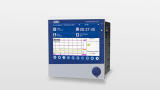
JUMO BlackLine CR 4P can be connected to transmitters for electrolytic conductivity such as the JUMO AQUIS 500 CR or the JUMO AQUIS touch. The sensor can also be connected to suitable hand-held measuring devices. JUMO digiLine CR measuring electronics turn the JUMO BlackLine CR 4P into a digital component of modern water plants "4.0" with digiLine or Modbus interface.
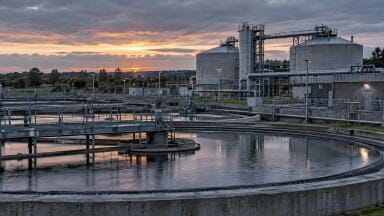
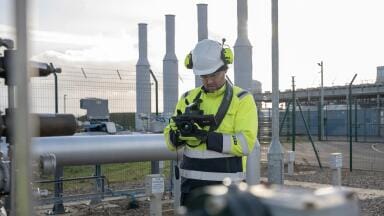
Typical application areas for the JUMO BlackLine CR 4P include seawater applications, rinsing and purification baths, the measurement of fertilizer concentration, or drinking and well water applications.
IET Guide 2026
 Product directory