Water/wastewater
Published over 13 years ago. See the latest and most current information on Water/wastewater.
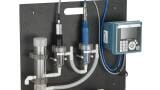
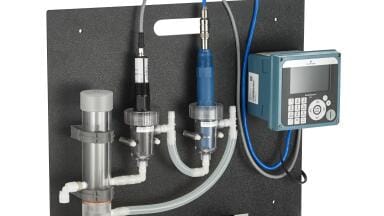
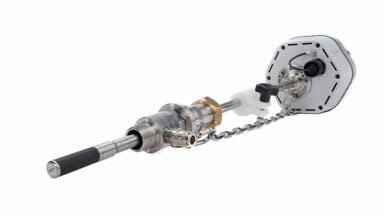
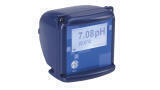
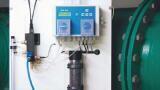
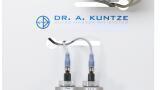
Dr A Kuntze (Germany) automatic sensor cleaning ASR uses the electrolysis of water. During the cleaning process, water molecules are electrochemically converted into Hydrogen and Oxygen gas. In case of high salt contents (Chloride salt), Chlorine is produced instead of Oxygen – a gas so reactive that it even corrodes Gold. For this reason Dr A Kuntze have declined to use ASR in sea and salt water applications. With the new sensor Zirkon Des Pool however they have succeeded in developing a sensor that can withstand those corrosive conditions and shows excellent measuring results.
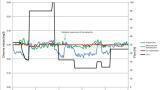
In four trial runs over periods of 4 to 12 weeks Dr A Kuntze have tested the new sensor in comparison with a competitors´ system using mechanical cleaning in salt water applications. At Chloride concentrations of 2-2.5% and temperatures of 38-45°C Zirkon DES Pool has convinced all participants with its reliability and low maintenance requirements. Even daily use of ASR over a period of three months could not harm the sensors´ electrodes – an unnecessary effort, since the tests have also shown that weekly use of ASR is perfectly sufficient, making the measurement more stable than the competitors´ system and needing much less recalibration.
IET Guide 2026

 Product directory