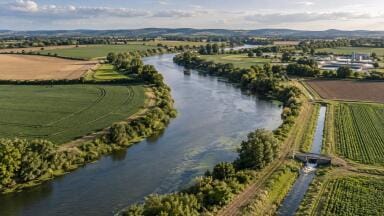
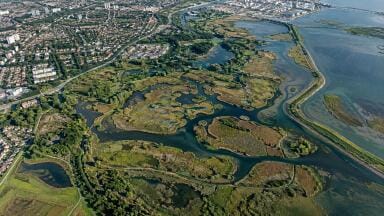
The Environmental Protection Authority in Australia is obliged by an Act of Parliament to monitor the condition of Port Phillip Bay. To achieve this, there was a need to measure the ecological consequences of wastewater outflows from Melbourne and the Bay`s capacity to cope with it. The city sits on the Yarra River with three other main
flows into the Bay from the Werribee Sewerage Farm, Patterson and
Werribee Rivers. The Marine Sciences Laboratories were chosen tomap
the discharge plumes form these outflows over a 12-month period.
The information the scientists needed was on temperature, salinity,
acidity, dissolved oxygen, nitrates, phosphates and chlorophyll levels.
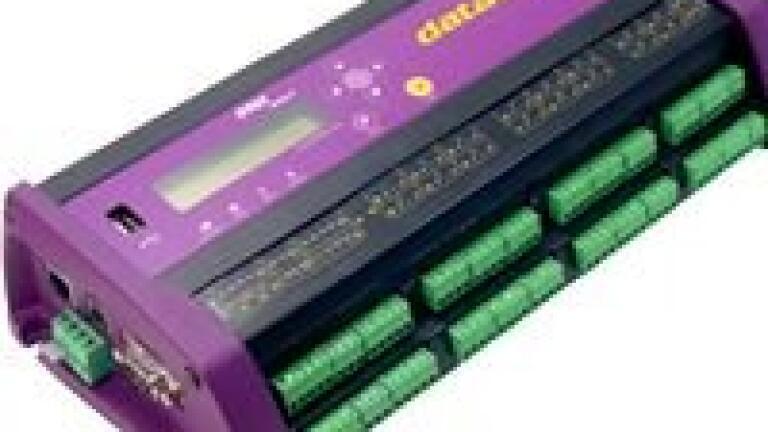
dataTaker DT85 from Datataker (Australia) was installed to record
the mass of information generated by the sensors, greatly simplifying
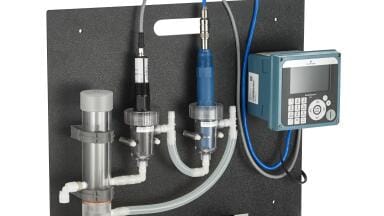
the collection of data during the project. The water was pumped
continuously from 1.5 metres below the surface, through the array of
sensors, which measured temperature, salinity (reduced salinity because of increased fresh water can lead to damage to marine life) acidity, dissolved oxygen, nitrates, phosphates and chlorophyll.
The dataTaker data logger`s ability to record electric current and resistance as well as voltage was also and advantage.
The cruises took place over a four-day period quarterly for the year. Interim reports revealed there had not been serious damage to marine life, although there was plenty of evidence the city`s outpourings. It was found that some of themajor flows into the Bay occur only intermittently, although influences of the Yarra River were found on every sampling.



 Product directory














.jpg)