Polyacrylamide is used in many industries e.g. paper, cosmetics and as a flocculating agent in the treatment of drinking water. Its monomer, acrylamide, has been shown to cause mutations in animal testing and therefore is classified as a mutagen or a carcinogen.
The latest issue of the Camag BIBLIOGRAPHY SERVICE describes in detail a new method for the determination of acrylamide in drinking water down to below the maximal, 0.1ug/L, as described in the EU Directive 98/83/EC. The method employs derivatising the acrylamide with fluorophor consequently allowing the use of cost effective, highly selective instrumentation.
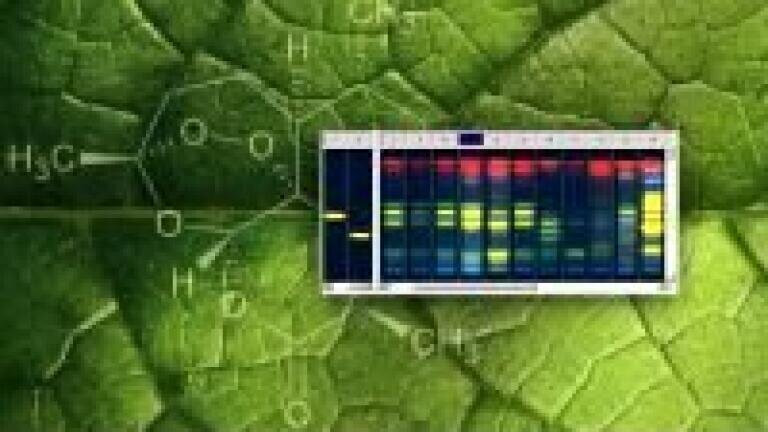
Also described is a new simplified method for the determination of artemisinin, as used in the treatment of malaria, by High Performance TLC.
Samples were applied using a Camag ATS 4 Autosampler and evaluated using a CAMAG TLC Scanner 3 in fluorescence mode. The method shows how artemisinin may be determined in dry leaves down to a concentration of 0.05%.
About 150 other abstracts on various chromatographic topics, both theoretical and practical are listed in the CAMAG CBS issue 99 now available from CAMAG (Switzerland).

 Product directory