Water testing
Published over 9 years ago. See the latest and most current information on Water testing.
A world renowned public research university, located in central London, recently approached Bell Flow Systems with a requirement for a multi-parameter water quality testing probe, to aid ongoing research into the environmental sector.
It was important for the research that the probe was able to measure dissolved oxygen, pH, turbidity, and ammonium, at multiple measuring points. Ideally being able to record the data internally throughout a whole day’s worth of field testing.
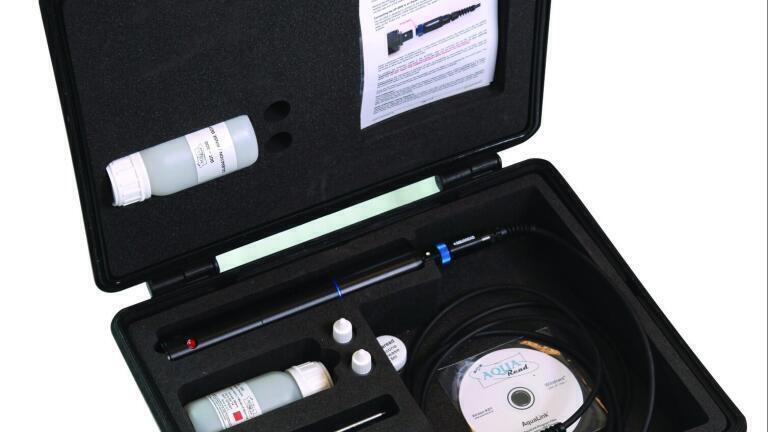
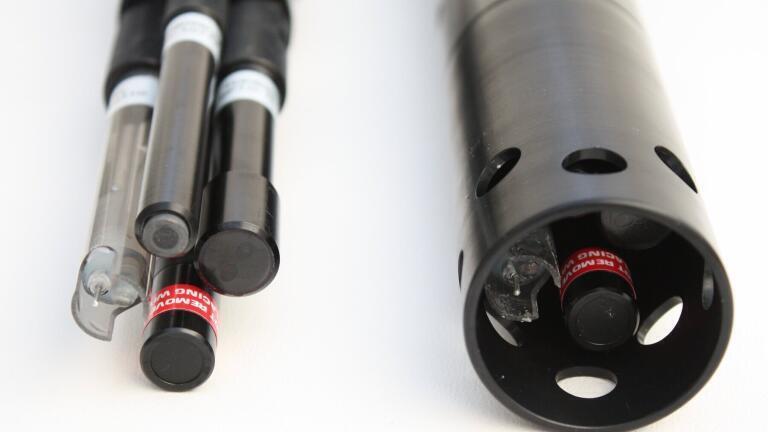
For this application, Bell Flow Systems provided the IP68 rated AP-2000 Advanced Multi-parameter water quality probe, with an optical ammonium sensor. The AP-2000 is the smaller of the Aquaread range of advanced portable multi-parameter water monitoring probes. A range of standard sensors included as a standard, however it also allows you to add even more sensors to the probe for full customisation.
Additionally the probe was supplied with a GPS Aquameter which enables live readings, automatic data recording and probe calibration.
The sensor probes in the Aquaread range are constructed from tough marine grade aluminium, making it suitable for use in both fresh and salt waters.
IET Guide 2026

 Product directory