Water pollution monitoring
Published over 12 years ago. See the latest and most current information on Water pollution monitoring.
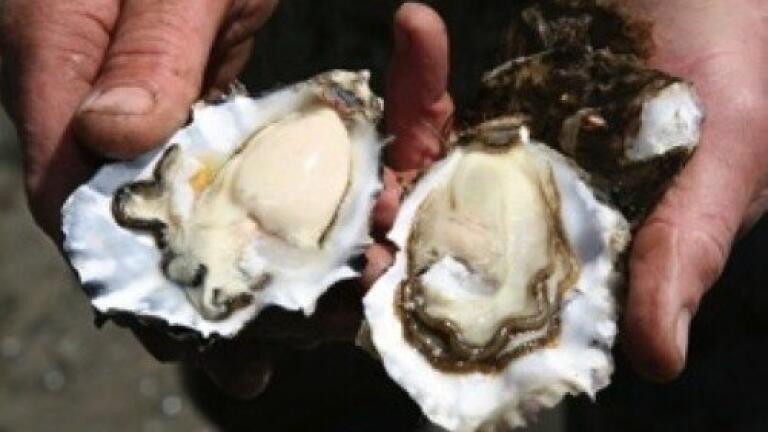
Pollution in British waters is placing a significant amount of strain on shellfish and posing a major threat to mussels and oyster harvesters.
A combination of flooding and the wet weather mean that pollution levels in shellfish farms have skyrocketed, subsequently leading to bans being imposed on the harvesting of certain seafood.
One example was the high concentrations of E.coli that recently led to a ban on mussel farming in certain parts of Cornwall; something that came after the Food Standards Agency downgraded the water quality of 11 sites across the county.
As well as two sites in the River Fal, nine other sites have been banned, with some industry experts now forecasting that the entire shellfish industry could be under threat.
If pollution contamination continues to increase, farms that grow oysters and mussels could disappear from Britain’s estuaries; something compounded by wet weather washing sewage into waterways and destroying the water quality.
Gary Rawle, director of Westcountry Mussels, told the Daily Telegraph that the farms are at the mercy of the elements.
"Every time it rains, all mussel farmers in estuaries cross their fingers and hope they will not be tested that day. If Environmental Health turns up on the day it rains, they will almost certainly fail the test," he elaborated.
"There’s certainly been an increase in mussel farming bans. Nearly every mussel farm in the country is at risk of closure."
Although mainly mussels are being affected at the moment, oysters will likely come under threat in due course as they are based in the same waterways, though absorb bacteria less quickly.
"I certainly think estuary-based farms will disappear across the UK in the future. All the estuaries are going to get polluted and all the estuaries are struggling to keep their grade," Mr Rawle noted.
According to a spokesman for the Environment Agency, water quality in the Fal estuary and similar sources has improved "significantly" in recent years as sources of pollution from urban drainage and local farms has been tackled, but he conceded that more work needs to be done.
Southwest Water, meanwhile, said it had been working with local farmers to curb the flow of nitrogen into the waterways and to enhance the overall quality of the water.
IET 36.5 Sept/Oct 2026




 Product directory