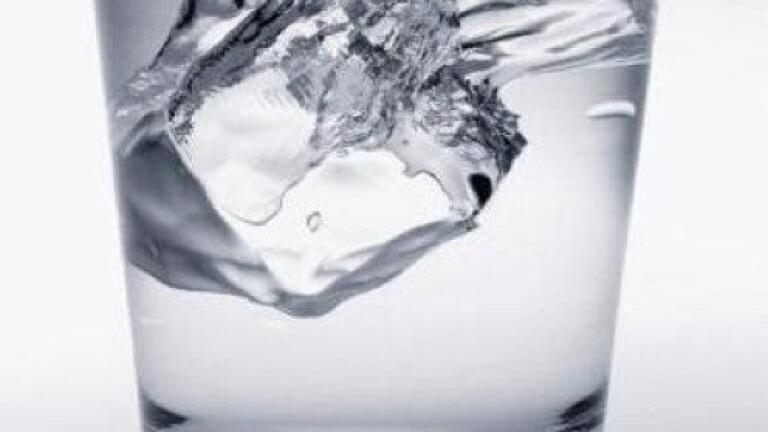
Water pollution monitoring
Published over 13 years ago. See the latest and most current information on Water pollution monitoring.
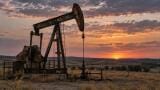
Fracking could be a cause of the water pollution found in Pennsylvania, according to recently released research. Water from the kilometre surrounding the natural gas wells undergoing hydraulic fracturing has tested positive for methane and other gases that are dangerous for human consumption.
The research, performed by California State Polytechnic University, the University of Rochester and Duke University found that water wells in north-eastern Pennsylvania contained dissolved methane. Around 82 per cent of the water wells sampled tested positive for methane, which is the largest component of natural gas. Although methane can enter water naturally, the study showed that the levels present in north-eastern Pennsylvania are around six times higher than sampled water from other areas that have fracking sites.
The water samples also tested positive for propane and ethane, although the levels of these gases and the methane levels were not high enough to damage help through consumption. However, it is as yet unclear whether the gases found in the water wells will have any adverse effect on the residential areas or the local ecosystem. There is also a chance that methane pockets will be able to form in water pipes, which could then result in explosions.
Homes that are located within the kilometre surrounding the fracking site were tested for levels of the combustible gases found within the water. The levels of ethane detected were lower than the methane levels, but they were still around 23 times higher than those found in homes further away from the drilling site. Propane was only found in ten of the homes within the area, but it is unclear whether continued fracking activity could result in propane spreading to more properties.
Despite the water testing positive for the gases there were no traces of any of the chemicals used during the fracking process within the wells. It has been suggested that the cause of the gas could be a leaking well and that it is not cause for alarm, but rather further study.
IET 36.5 Sept/Oct 2026



 Product directory
























.jpg)