Soil testing
Published over 12 years ago. See the latest and most current information on Soil testing.
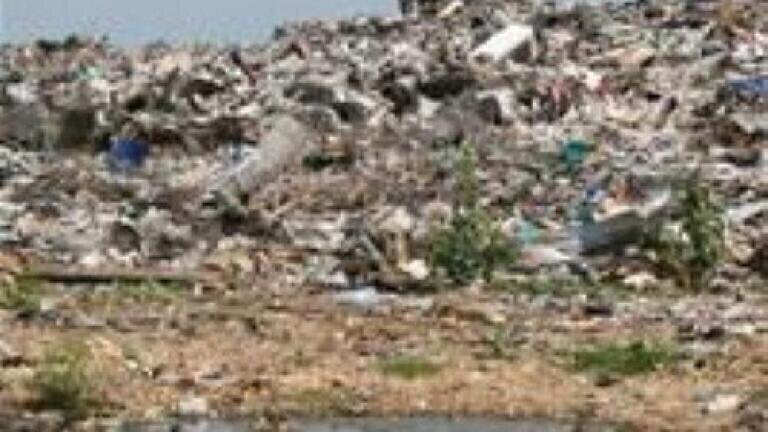
The town of Roxbury, Connecticut, US, has been refused permission to collect samples and test soil quality from new gas extraction wells that are being dug at a landfill site. On Wednesday (April 2nd) the township took the request to the Morris County Courthouse, where a Superior Court judge ruled against it.
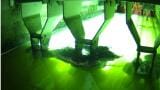
The Department of Environmental protection (DEP) is about to begin digging 21 new gas extraction wells on the Fennimore Landfill site, which are aimed at enhancing its gas collection system. Currently nine wells are already in use on the site, each of which transfers hydrogen sulphide gas, which is emitted by the construction debris stored at the landfill, to an oxidiser and scrubber system. The town and surrounding area has had problems with the gas since 2012 and the wells are designed to mitigate the issue.
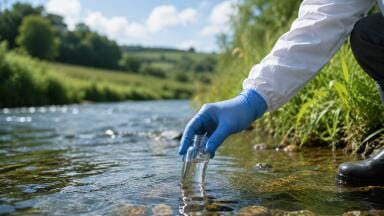
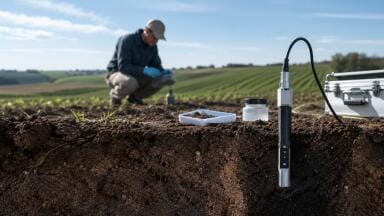
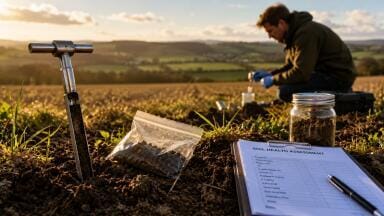
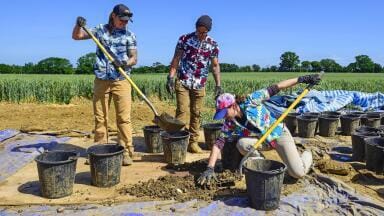
However, the township and many residents wished to perform soil testing at Fennimore Landfill in order to determine whether there are any other potentially hazardous materials on the site. Roxbury sought to have the digging of the new wells postponed until the testing had been completed or for the DEP to perform testing itself.
According to Jacob Grauser, from the law firm Hoagland Longo, which was representing Roxbury, the town had consultants that were ready to collect and test soil samples immediately. He also said that the DEP was basing work upon soil samples that were collected by SEP Properties before the site was seized, which could mean that the information is incorrect or out of date.
The DEP argued that it had seized the site using an emergency order in order to carry out hydrogen sulphide remediation only. It also suggested that extra activity on the site could compromise the Posi-Shell cap that was applied to the landfill, meaning that more gas could end up escaping. The judge ruled in favour of the DEP, meaning that the new wells can be dug without further soil testing taking place.
The landfill site was originally closed in 1979 but was reopened at the end of 2011. Plans for the site intended for a cap to be put in place and for a solar generating facility to be built. However, the DEP seized the site in June 2013 following thousands of complaints, health problems and strong odours linked to the hydrogen sulphide gas.
IET 36.5 Sept/Oct 2026




 Product directory