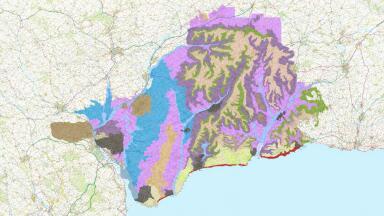
Soil testing
Published over 9 years ago. See the latest and most current information on Soil testing.
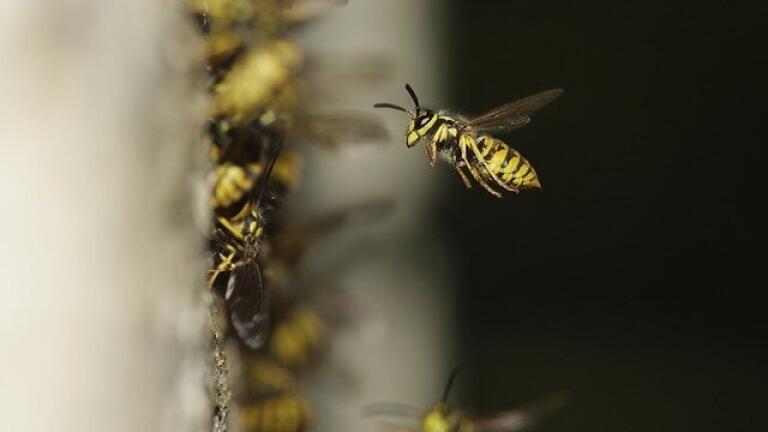
It’s fair to say climate change is terrible for humans. Stronger hurricanes, more droughts and heatwaves, and a rising sea level causing floods to become far worse. It goes without saying that the rising sea level is similarly disastrous for animals in the arctic. But what about other beings – such as wasps? Keep reading to see how our (not so) friendly insect companions are affected by climate change.
One consequence of climate change is of course the heatwave. In Britain, this has led to temperatures becoming more suitable for some of the wasp’s more threatening relatives. In 2016, the first Asian hornets were spotted in the UK. While they aren’t dangerous to humans, this species preys on bees so it can steal their honey. They can kill whole groups of bees, especially British colonies which haven’t evolved to deal with them.
Since the initial sighting, there have been no Asian hornet nests discovered. It’s thought a small number made their way over from France, but did not manage to lay eggs. For now, the threat is gone. But any future outbreak could cause further damage to Britain’s already struggling bee population.
So climate change can lead to more wasp-related species. But what about the common wasp we already have? Notoriously a summer insect, wasps tend to die off in the winter. It isn’t actually the cold weather that kills them though. Predators like spiders are the main reason they are wiped out.
When spring does arrive, hibernating wasps need to time their arrival just right to ensure there are enough flowers to feed off. Numbers fluctuate year on year because of this timing importance. In fact, a pattern has emerged showing that more wasps in year X means less in year X+1, with more again in year X+2 and so on.
Unfortunately, scientists haven’t been able to deduce exactly why the wasp population regularly changes like this. They have simply concluded that that warmer weather is more suitable for wasps – and results in a long-term growth of their numbers, despite the ongoing fluctuation.
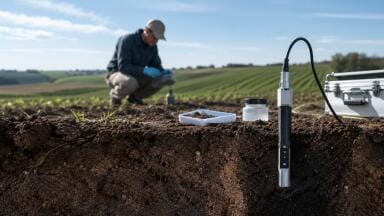
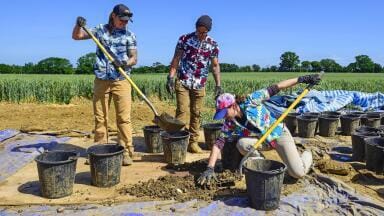
As well as testing what’s above the ground – like insect populations and air content – environmental scientists are concerned with what is beneath our feet. Soil plays a vital role in our agricultural and ecological landscape. And it is because of this role that the analysis of soil health is highly important. The biological, physical and chemical properties of soil have to be measured, monitored and managed effectively, as discussed in the article ‘What Lies Beneath – New Soil Health Analysis Service for Landowners Launched During the UN International Year of Soils’.
IET 36.5 Sept/Oct 2026




 Product directory