Portable gas detection
Published over 3 years ago. See the latest and most current information on Portable gas detection.
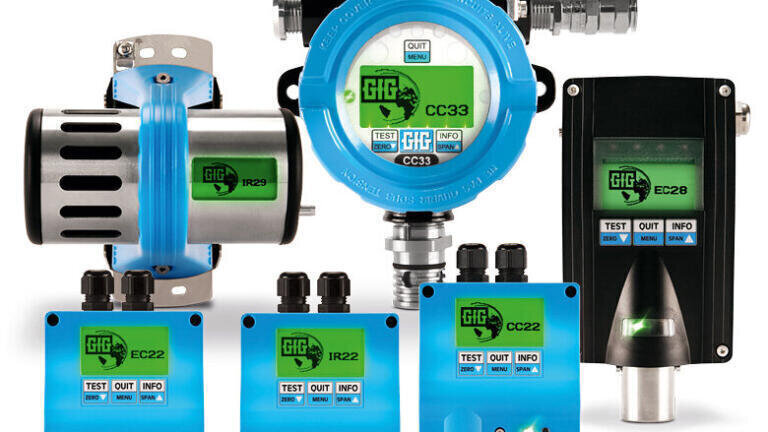
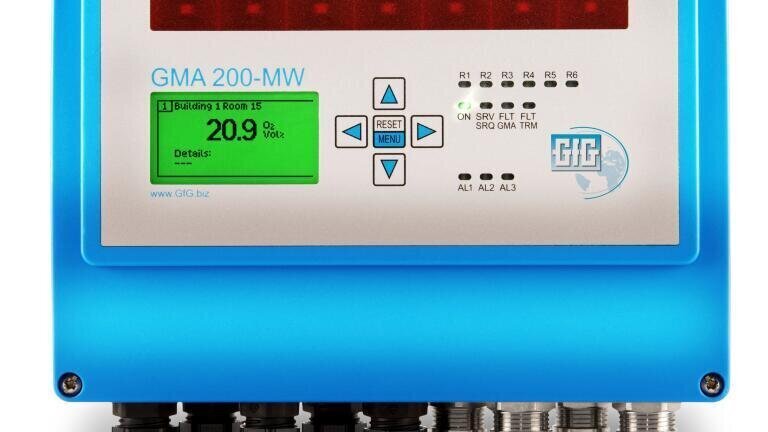
Fixed gas detection systems consist of a central evaluation unit – the controller – and as many transmitters as you need to reliably monitor your facility. This can mean only one transmitter for very specific measuring in a certain spot, or there are many different ones spread out around huge facilities. The transmitters monitor the concentration of gases they are equipped for (depending on their sensor configuration) in the ambient air. The values they measure are then transmitted to the controller, where they are monitored and analyzed. If the monitored concentration crosses a dangerous threshold (i.e. an explosive gas reaching a certain percentage of the lower explosion limit or the oxygen levels falling below the minimal amount required for breathing), an alarm will be triggered. The transmitter will give an immediate local warning to anybody in the vicinity, while the controller will activate the appropriate safety measures using relays. These can include control of ventilation systems, activating visual and acoustic alarms around the facility or shutting off certain mechanical components, such as valves.
Reliable gas detection is essential for every industrial or commercial production plant at risk from dangerous gas concentrations, as well as many research facilities which require precise measurement of various concentrations. Many areas of application, such as the mining sector or parts of the municipal services, will need specialized gas detection systems too. As an example, our newest all-in-one solution - the D-ReX - is custom tailored to the requirements of the semiconductor industry.
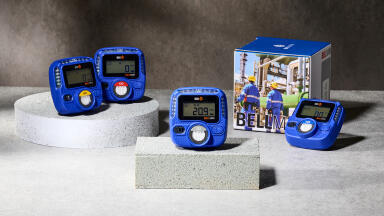
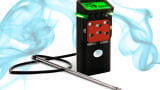
There are several elements to be considered when choosing a gas detection system. From the gases you need to monitor, to the size of your facility and thus the number of required transmitters. If the area of application is an Ex zone or a particularly challenging environment (i.e. very humid, large amounts of dust, extreme temperatures etc.), you will need devices which can handle the specific safety demands. You might also consider adding portable gas detectors to your equipment, if your processes include occasions when team members have to enter a potentially dangerous area that is not constantly monitored. As a starting point, we recommend looking into our range of controllers and transmitters on our website or contacting one of our product specialists for a free, individual consultation.
IET Guide 2026

 Product directory