Gas detection
Published over 6 years ago. See the latest and most current information on Gas detection.
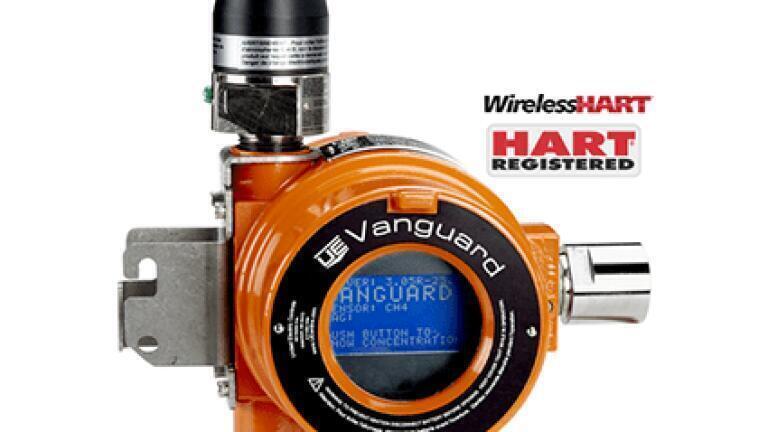
United Electric Controls has announced that its Vanguard WirelessHART Gas Detector is now HART Registered. This registration ensures that all WirelessHART users will be able to add Vanguard device drivers the next time they update their device descriptor (DD) libraries. It also assures users that they can add Vanguard systems to existing WirelessHART networks, seamlessly and securely.
The HART communication protocol is the largest digital communications technology deployed in the process industries with more than 40 million field instruments supporting HART technology installed worldwide. The FieldComm Group owns the HART specifications and provides specification development and training, as well as device registration.
"Vanguard WirelessHART gas leak detectors can be dropped into any WirelessHART network using a secured network I.D. and join key. The unit automatically detects the sensor type and configures it automatically. This saves additional setup time and effort and the HART certification gives our users one more layer of confidence that this plug-and-play interoperability will be achieved seamlessly,” said Chris Frail, Vanguard product manager for United Electric Controls.
Eliminating the need for a wired infrastructure can reduce gas leak detector installation costs by as much as 50 percent and installation time by almost 90 percent, making it much easier and affordable to extend safety coverage. Further contributing to economical safety coverage expansion is Vanguard lithium metal battery technology and intelligent power management circuitry, which extend battery life well beyond five years, establishing the Vanguard detection system as the benchmark in battery-operated wireless gas detection.
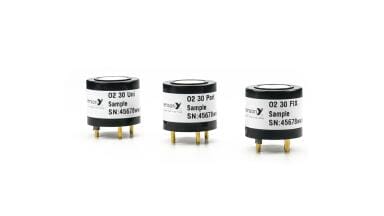
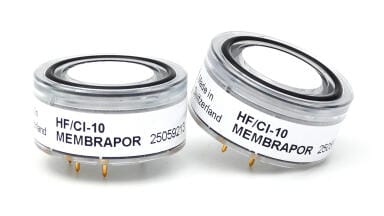
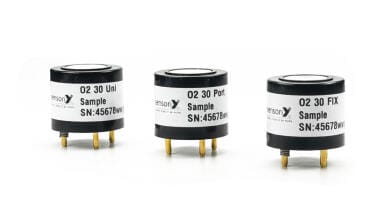
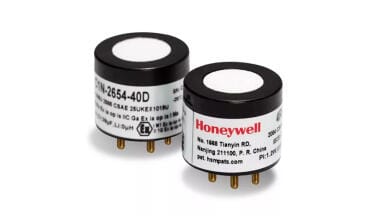
The Vanguard WirelessHART detector uses a system of field-interchangeable gas sensor modules to detect methane (CH4), hydrogen sulfide (H2S), carbon monoxide (CO), ammonia (NH3), and non-methane hydrocarbon gases.
IET Guide 2026

 Product directory





















.jpg)