Gas detection
Published over 8 years ago. See the latest and most current information on Gas detection.
Soil remediation, from an environmental perspective, is the reduction of contaminant concentrations within soil.
The aim of soil remediation works in the majority of cases is to reduce contaminants to levels which are ‘suitable for use’, essentially meaning you can use your site without environmental risks.
The photoionisation detector (PID) has become a widely used tool used for the detection of volatile organic compounds (VOC) during site investigations because:
Manufacturers tend to offer variants of the same instrument differentiated by functionality and/or performance to suit different budgets but here are some important considerations:
Conventional PIDs may use humidity suppression/compensation techniques but each of them has disadvantages:
Importantly none of these solutions solves a false positive at high humidity
Looking at a proprietary PID (See Image in both downloadable guides*), the presence of the porous membrane should be noted. In this design, it is made from a hydrophobic material which means that it rejects the ingress of water vapour and mitigates the chance of low readings.
To deal with high humidity, the addition of a third, fence electrode overcomes the possibility of incorrect high readings since it behaves as a conductive break and stops the excess current flow caused by the presence of high humidity which would otherwise lead to a false positive.
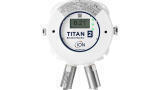
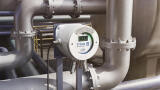
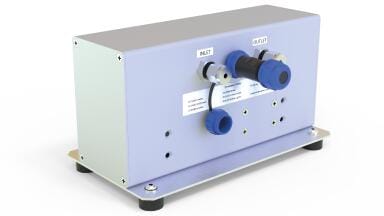
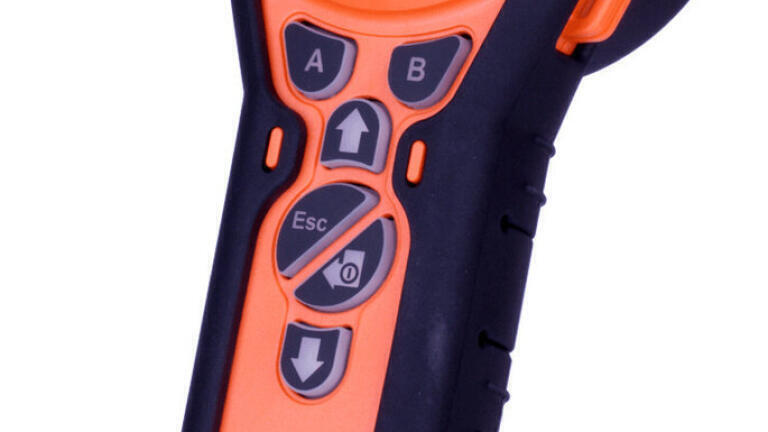
ION Science provide a range of handheld, personal and fixed photoionisation detection of Volatile Organic Compounds (VOCs) within the harshest of environments.
All ION Science PID instruments contain the MiniPiD sensor with Fence Electrode Technology with proven resistance to humidity and contamination.
For more information on how ION Science PID technology is used for Soil Remediation, download our FREE Guides - Photoionisation detector for Soil Remediation and Measuring VOCs in Soil Remediation.
IET Guide 2026

 Product directory