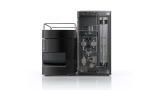
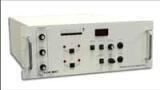
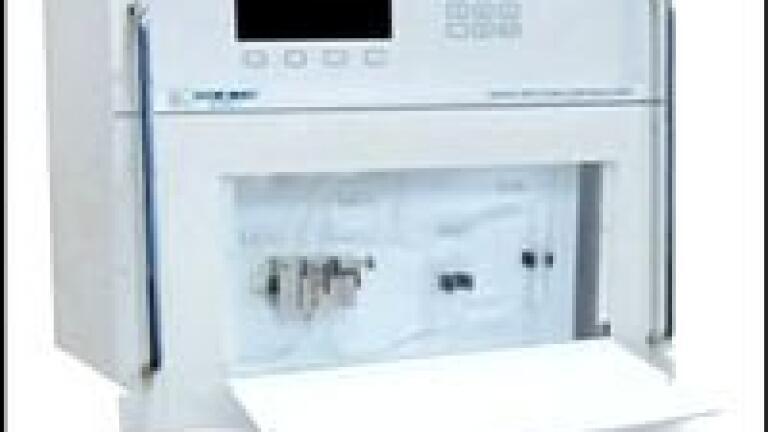
GOW-MAC®`s (USA) innovative Series 900 Toxic Gas Analyzer is a highly selective and precise analytical instrument engineered for quantifying trace amounts of toxic gases in industrial gas applications.
The principle of this automated, fully digital instrument is based on aqueous scrubbing of the target gas by a coil sampler coupled with a gas-liquid separator, followed by derivatization of the analyte to form a highly light-absorbing chromophore in an on-line reactor. The derivative is then quantified by means of a colorimetric detector.
Any gas species with potential to be derivatized can be determined by the Series 900 Toxic Gas Analyzer; e.g.: HF, NH3, HONO, HCl, SO2, H2S, HCHO and aldehydes, etc. The analyzer is not only able to determine trace level toxic gases in air, but also to quantify the ppb/ppm level
impurities in industrial processing and electronic gases, such as N2, N2O, NF3, CxHy, etc. Custom applications based upon the customer’s specific needs are available for evaluation upon request.
Features of the Series 900 include continuous, digital readout; uses standard chemical procedures; colorimetric detector; internal sample pump; adjustable flow rate and light intensity; 4-20 mA or voltage output; is entirely self-contained in a 19†rack mount design; and has a detection range of 5 ppb to 10 ppm (application dependent).
 Product directory