Gas detection
Published over 13 years ago. See the latest and most current information on Gas detection.
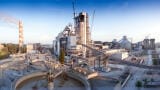
Hot cement raw meal with temperatures of up to 950 °C, high speeds and high temperatures of the dust-laden flue gas of up to 1200 °C: The difficult conditions found directly at the measuring point in the furnace inlet of rotary kilns making capturing of gas values difficult.
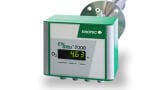
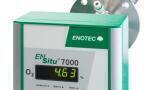
Thanks to the InSitu measurement, the smallest changes can be quickly detected and thus the consumption of fuel can be precisely controlled. It is necessary to regulate to the smallest possible oxygen value in order to keep emissions low and at the same time ensure that the system runs efficiently and safely.
By continuously measuring the gas concentration it is possible to determine if the combustion process is optimised, and when not, the airflow can be adjusted accordingly.
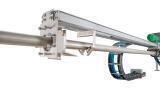
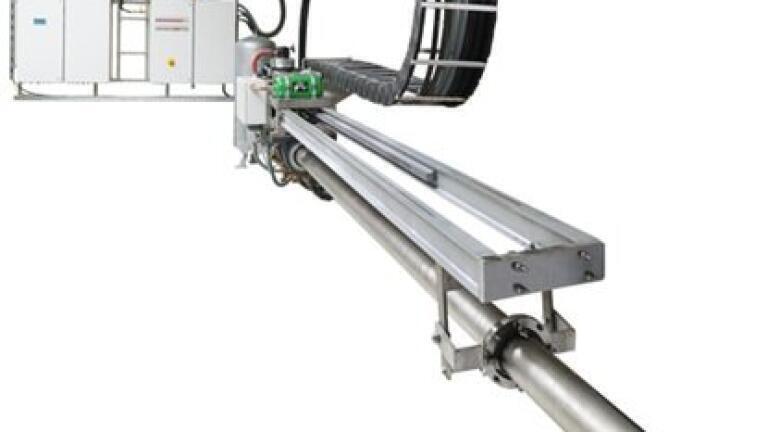
The CEMTEC system features a patented swivel drive, through which the probe shaft rotates at set intervals in a radial direction. This prevents the probe from cementing stuck within the combustion chamber and prevents the probe tube from being thermally deformed.
If for instance a power failure or coolant leakage occurs, the 200 kilogram probe is automatically driven out of the oven on rails by a pneumatic traversing device. The required compressed air for this is supplied by a reserve tank.
In addition, the system cleans itself every three minutes. "In the cooling tube we can have installed a large surface dust filter with a pneumatic impact plate which moves out at certain intervals and removes even the toughest of deposits," explains Fred Gumprecht, managing director of ENOTEC (Germany).
IET Guide 2026

 Product directory