Gas detection
Published over 6 years ago. See the latest and most current information on Gas detection.
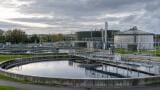
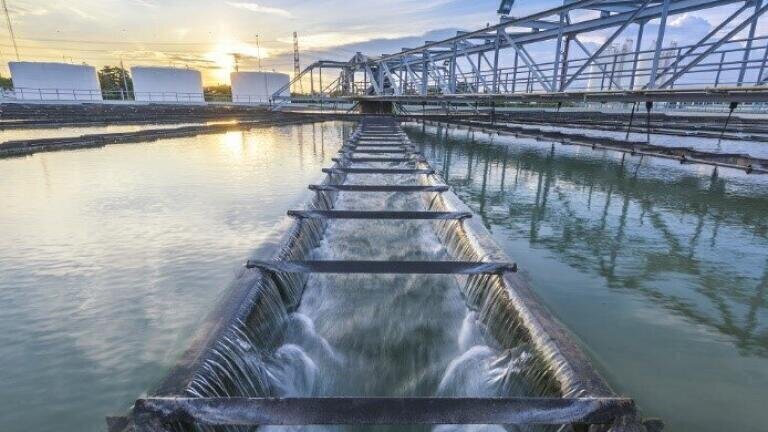
The processing of clean and safe drinking water and water purification methods are of global importance. According to research, estimates indicate that without further improvements to the availability of safe water sources, there could be a potential 135 million deaths by 20201 from what could be preventable diseases.
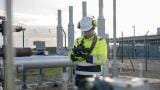
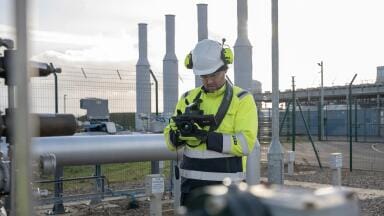
There are many different steps required for water purification. These include filtering and the assessment of how dirty the water is. Some pre-treatment may also occur using carbon dioxide to change pH levels and the cleaning up of wastewater. In such incidences gas monitors are required in order to make sure that the correct levels of gas are being added to the water and that there is no build-up of unsafe gas.
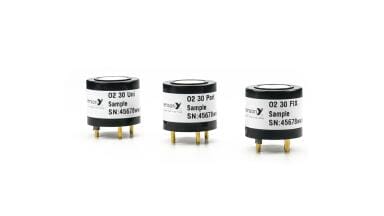
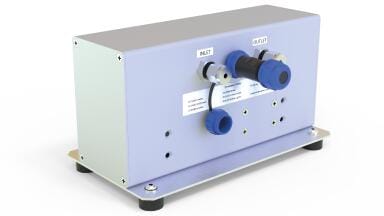
In this article we explore the use of Edinburgh Sensors range of nondispersive infrared (NDIR) gas sensors as part of the water purification process.
Read the full article online at Edinburgh Sensors.
IET Guide 2026

 Product directory