-Thermo-Fisher-press-rel.jpg)
Environmental laboratory
Published over 4 years ago. See the latest and most current information on Environmental laboratory.
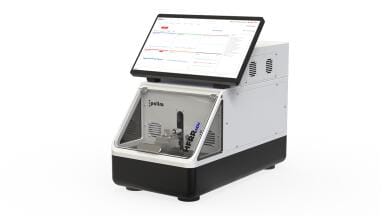
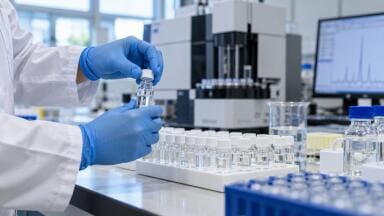
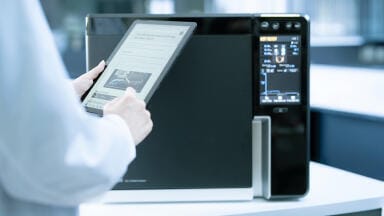
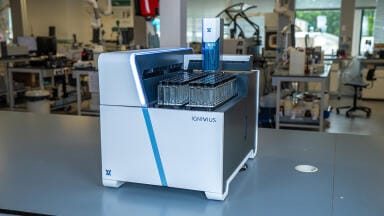
Offering proven performance and productivity, the Thermo Scientific™ ISQ™ 7610 Single Quadrupole GC-MS system is ideal for high-throughput laboratories performing food, environmental, pharma, petrochemical or forensic toxicology testing.
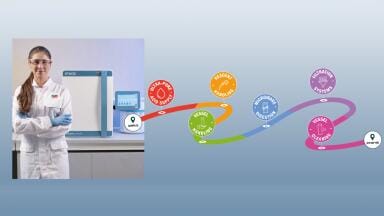
Analytical testing laboratories need the ultimate confidence of a GC-MS system that easily and reliably produces trusted results to stay ahead, day after day. These laboratories can count on the ISQ 7610 single quadrupole GC-MS system with its simplified operation, automated workflows, and extended dynamic range that deliver consistent results from system to system in every laboratory.
The ISQ 7610 Single Quadrupole GC-MS system is the right choice for any workflow with ease of use that helps laboratory professionals stay ahead. Additionally, the ISQ 7610 offers user unstoppable:
Learn more about Thermo Scientific ISQ 7610 Single Quadrupole GC-MS/MS system here.
IET 36.5 Sept/Oct 2026




 Product directory

















-Thermo-Fisher-press-rel.jpg)