Environmental laboratory
Published over 16 years ago. See the latest and most current information on Environmental laboratory.
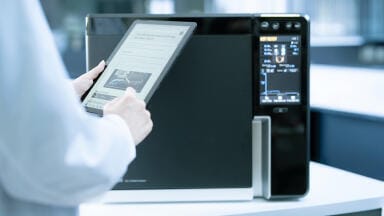
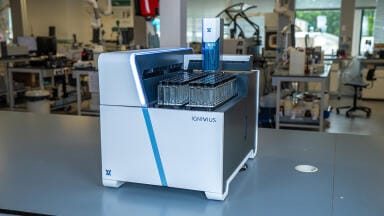
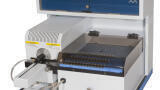
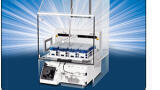
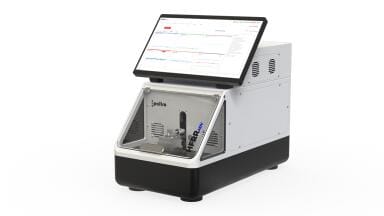
Teledyne Leeman Labs (USA) announce the release of a new Mercury Analyser designed for enhanced performance and productivity.
The Hydra IIAA delivers both performance and productivity. Its low, 1 ppt detection limit, fast sample throughput (~1min./sample) and high capacity autosampler (up to 270-positions) will enhance the productivity of any laboratory. The Hydra IIAA incorporates intuitive new software that automates the analytical process from Method Development to Final Report Generation. Help is provided in the software through audio/visual tutorials
and scheduled maintenance prompts.
One of Hydra IIAA’s most compelling features is it’s ability to be configured for direct solids analysis should the need ever arise. This instrument’s ability to perform high throughput liquids analysis as well as direct solid
sample analysis makes it very appealing to today’s laboratories.
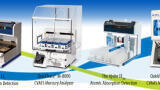
The Hydra IIAA is a cold vapor atomic absorption mercury analyser. Its characteristic high sensitivity and selectivity make CVAAS ideal for measuring Hg at concentrations ranging from ppt to ppm levels. CVAAS offers well accepted methodologies for a wide variety of sample matrices including: environmental, biological, foods, petrochemicals and others.
IET 36.5 Sept/Oct 2026



 Product directory